

In the ever-changing landscape of body art, some tattoo styles stand the test of time, embodying a rich cultural heritage and artistic integrity. Traditional tattoos, often referred to as “tried and true” designs, represent more than just ink on skin—they are a testament to the enduring power of classic artistry and storytelling.
The Origins of Traditional Tattoo Styles
Nautical and Maritime Influences
Traditional tattoo art has deep roots in maritime culture, with sailors being among the first to popularize iconic designs. Anchors, ships, swallows, and nautical stars became symbols of travel, adventure, and personal journey. These designs weren’t just decorative; they were visual narratives of a sailor’s experiences and superstitions.
Cultural Significance and Symbolism
Different traditional tattoo styles carry profound meanings across various cultures:
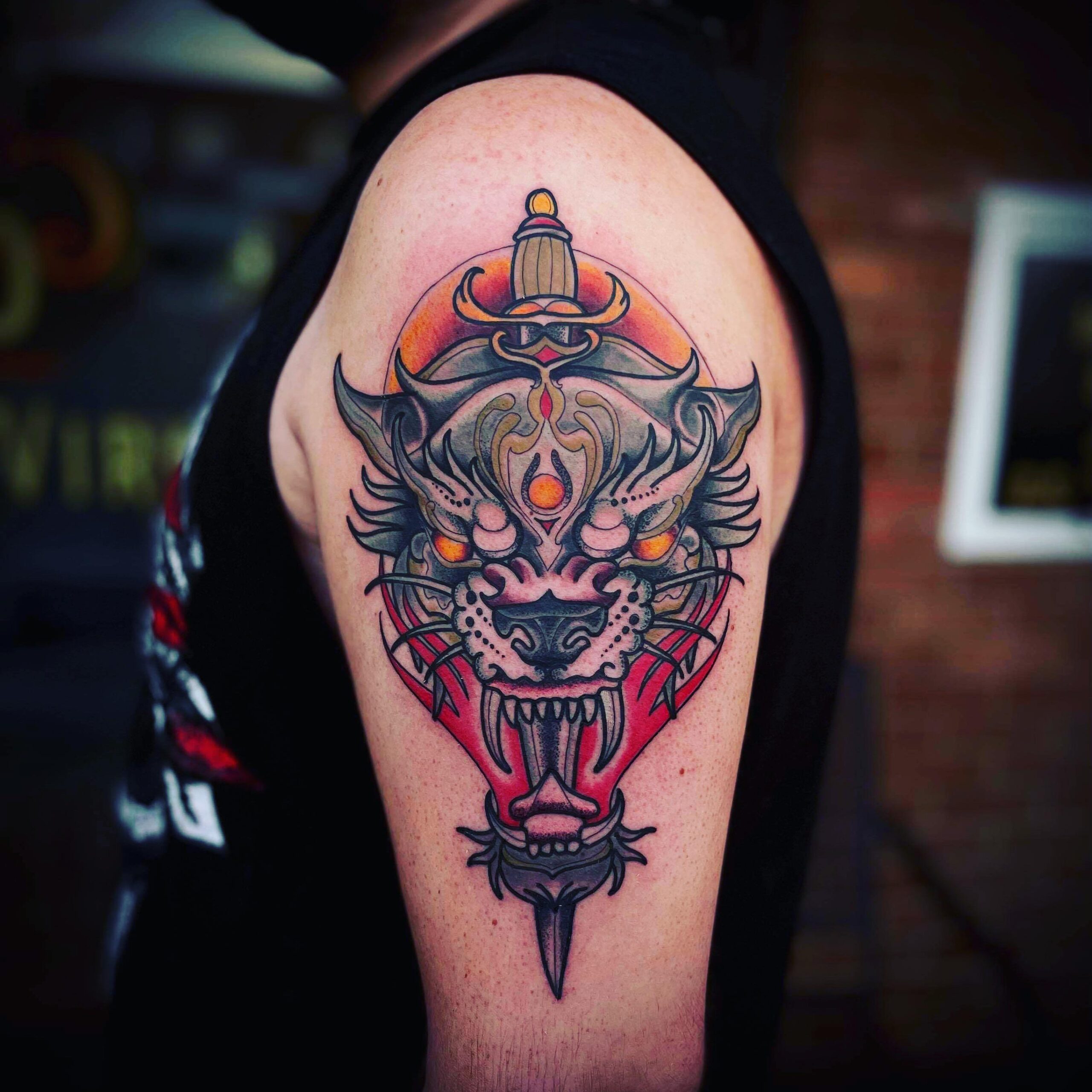
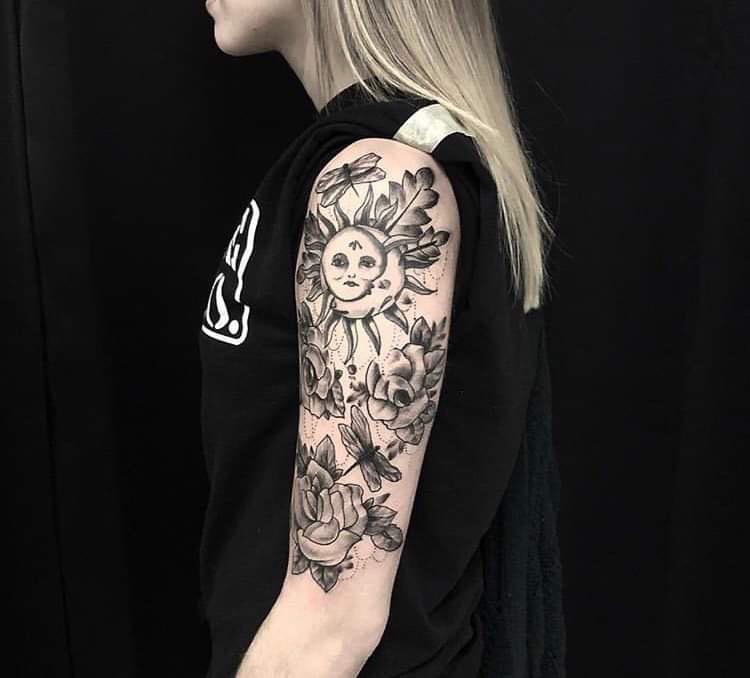
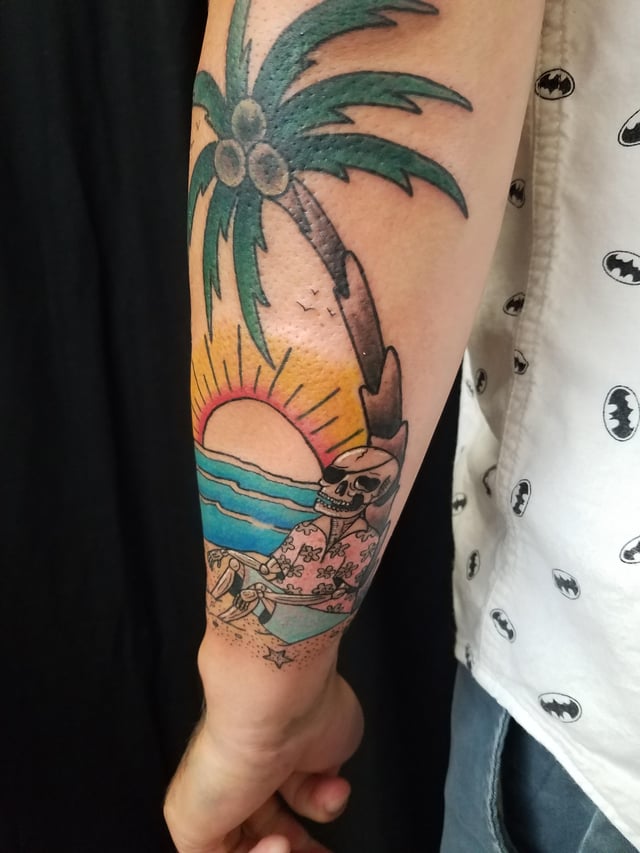
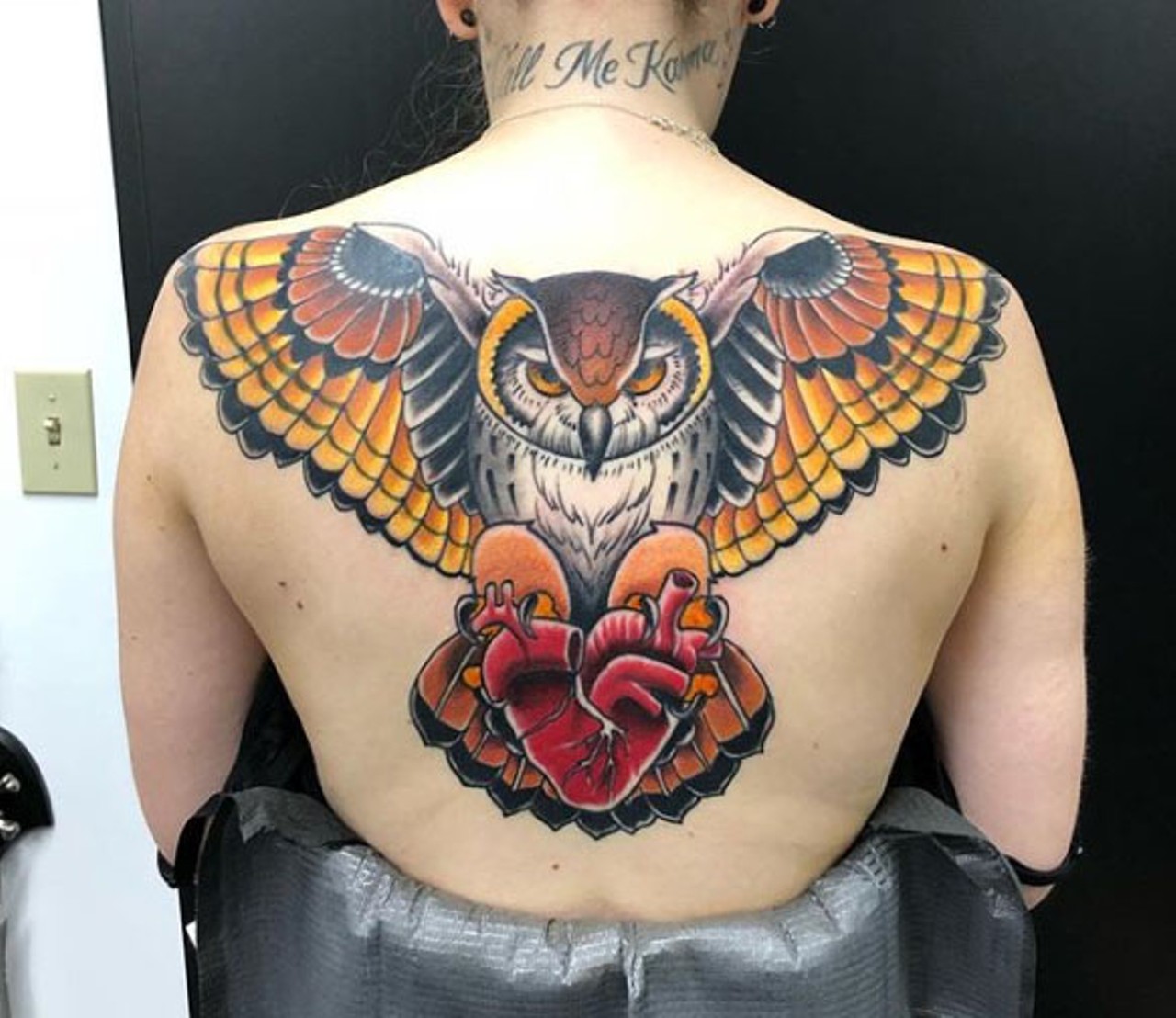
- American Traditional (Western): Bold lines, vibrant colors, and iconic imagery like eagles, roses, and pin-up girls
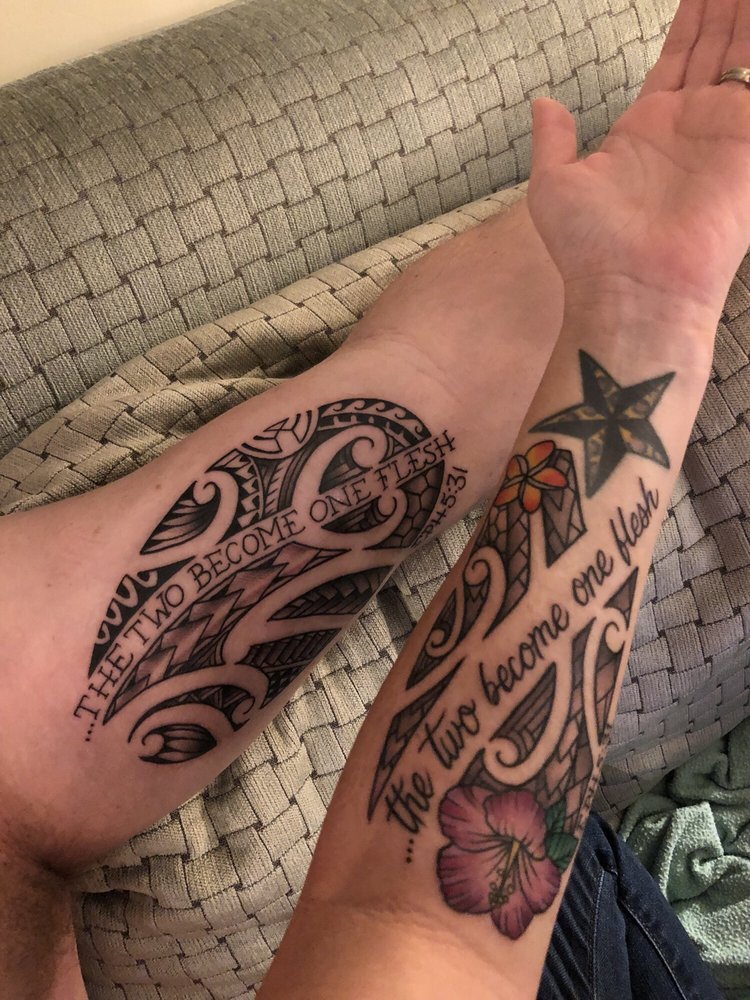
- Polynesian Traditional: Intricate patterns representing genealogy, social status, and personal achievements
- Japanese Traditional (Irezumi): Elaborate designs telling mythological stories and representing personal virtues
Characteristics of Tried and True Tattoo Designs
Bold Line Work
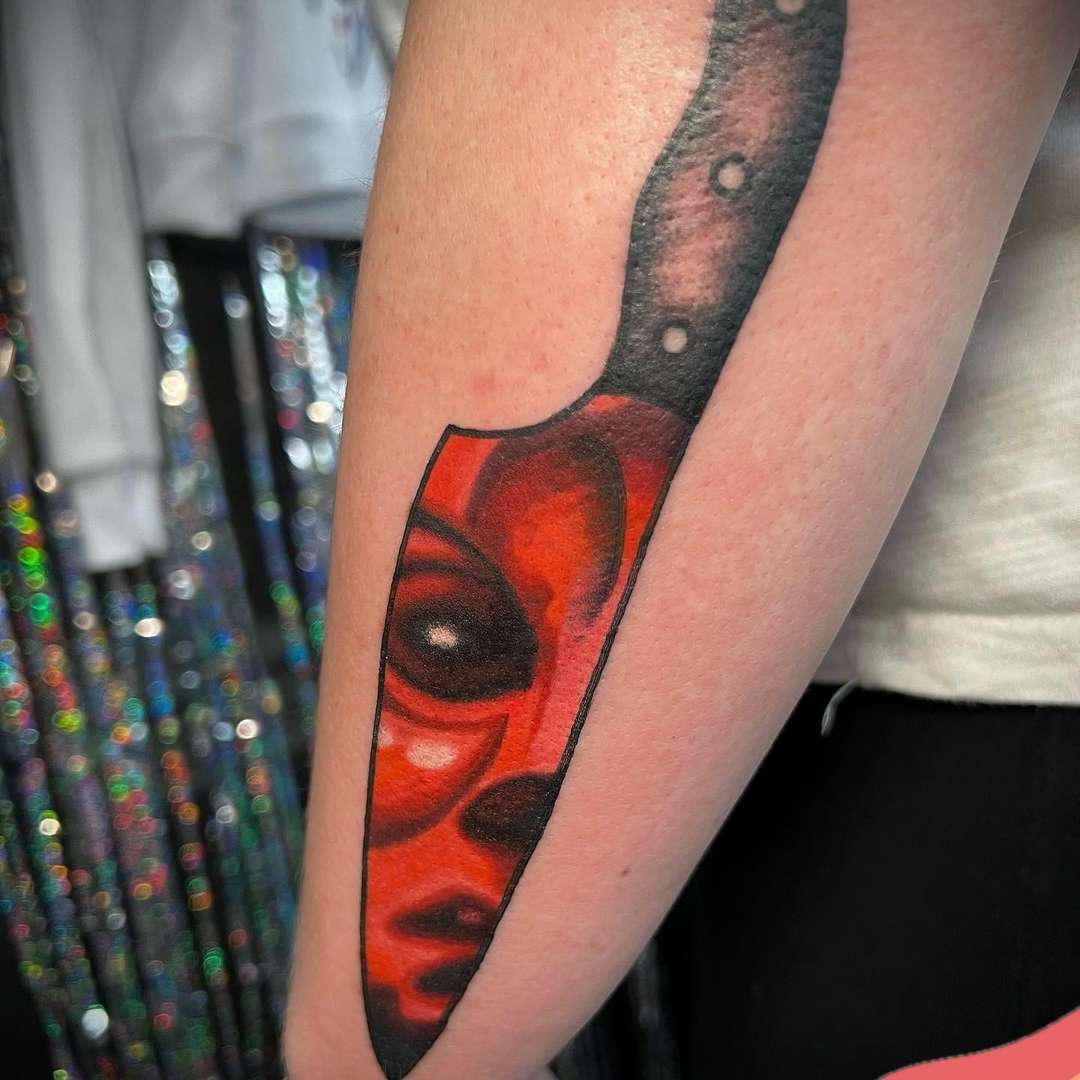
One defining feature of traditional tattoos is their distinctive bold, black outlines. These strong lines ensure:
- Long-lasting design integrity
- Clear visibility from a distance
- Reduced risk of blurring over time
Limited Color Palette
Classic tattoo styles typically use a restricted color scheme:
- Deep reds
- Navy blues
- Forest greens
- Bright yellows
- Black and gray tones
These colors were historically chosen for their:
- Durability
- Contrast
- Ability to age gracefully
Why Traditional Tattoos Remain Popular
Timeless Aesthetic
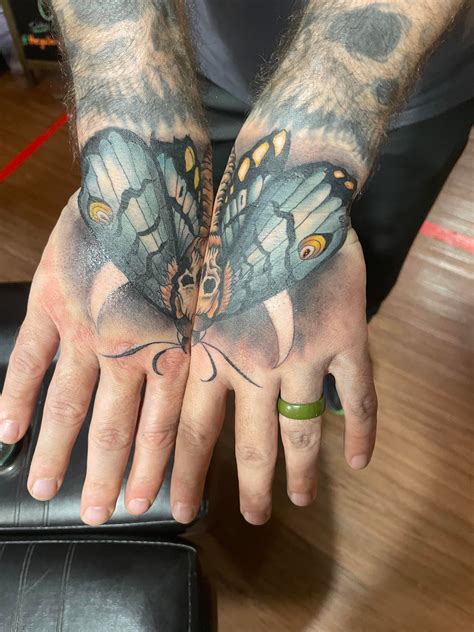
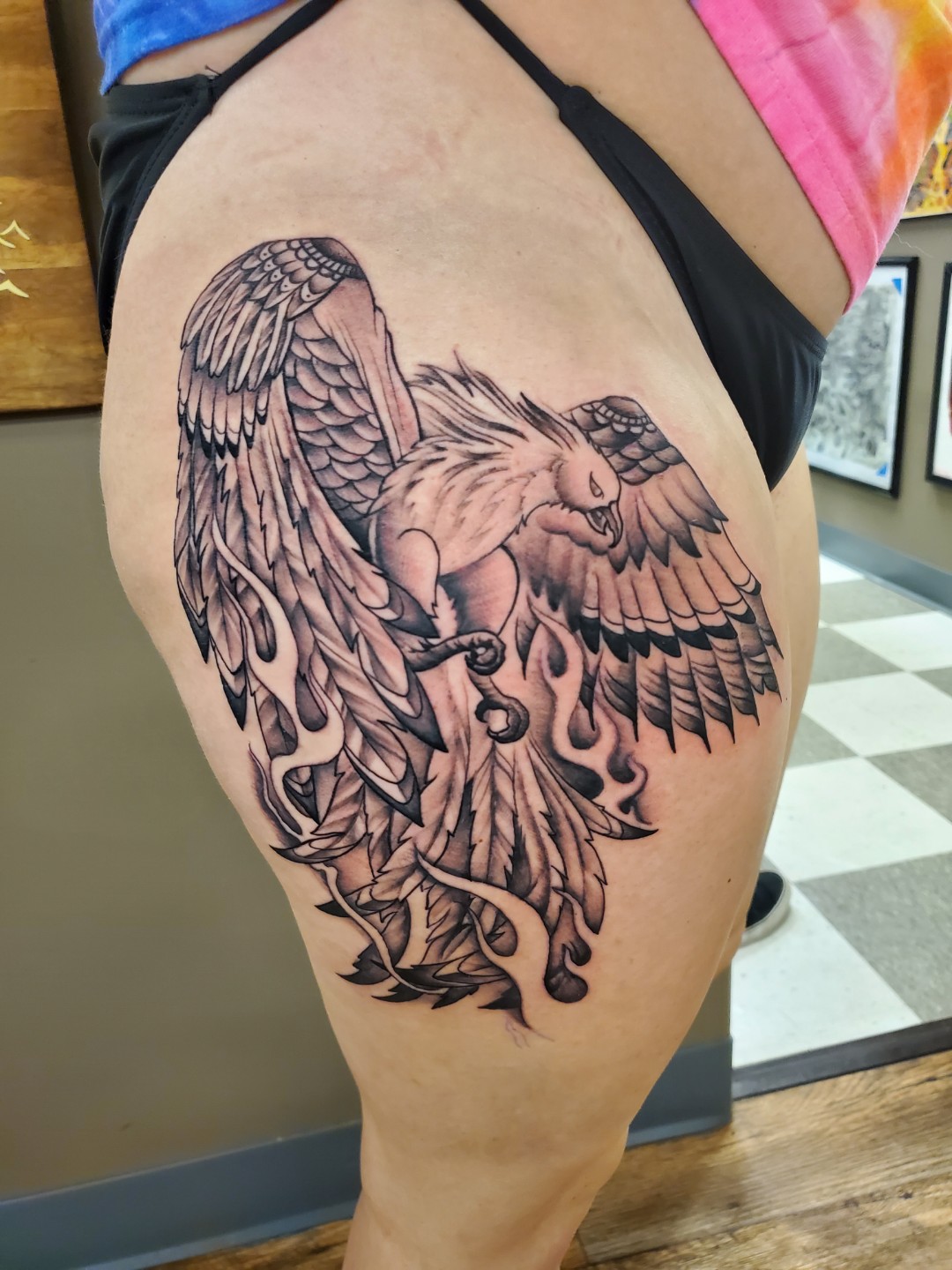
Traditional tattoo designs transcend temporary trends. Their simplicity and clarity make them eternally appealing, ensuring they look sophisticated decades after initial application.
Artistic Reliability
Artists specializing in traditional styles have:
- Refined techniques passed through generations
- Deep understanding of design principles
- Ability to create visually striking, clean artwork


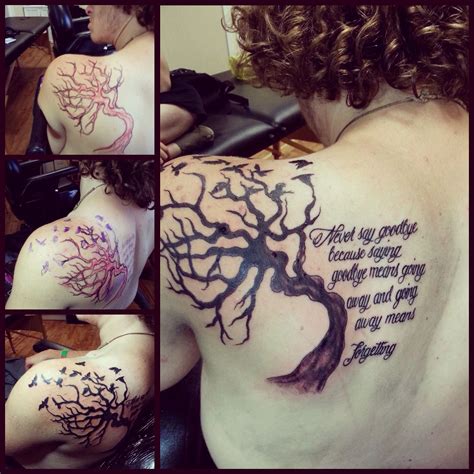


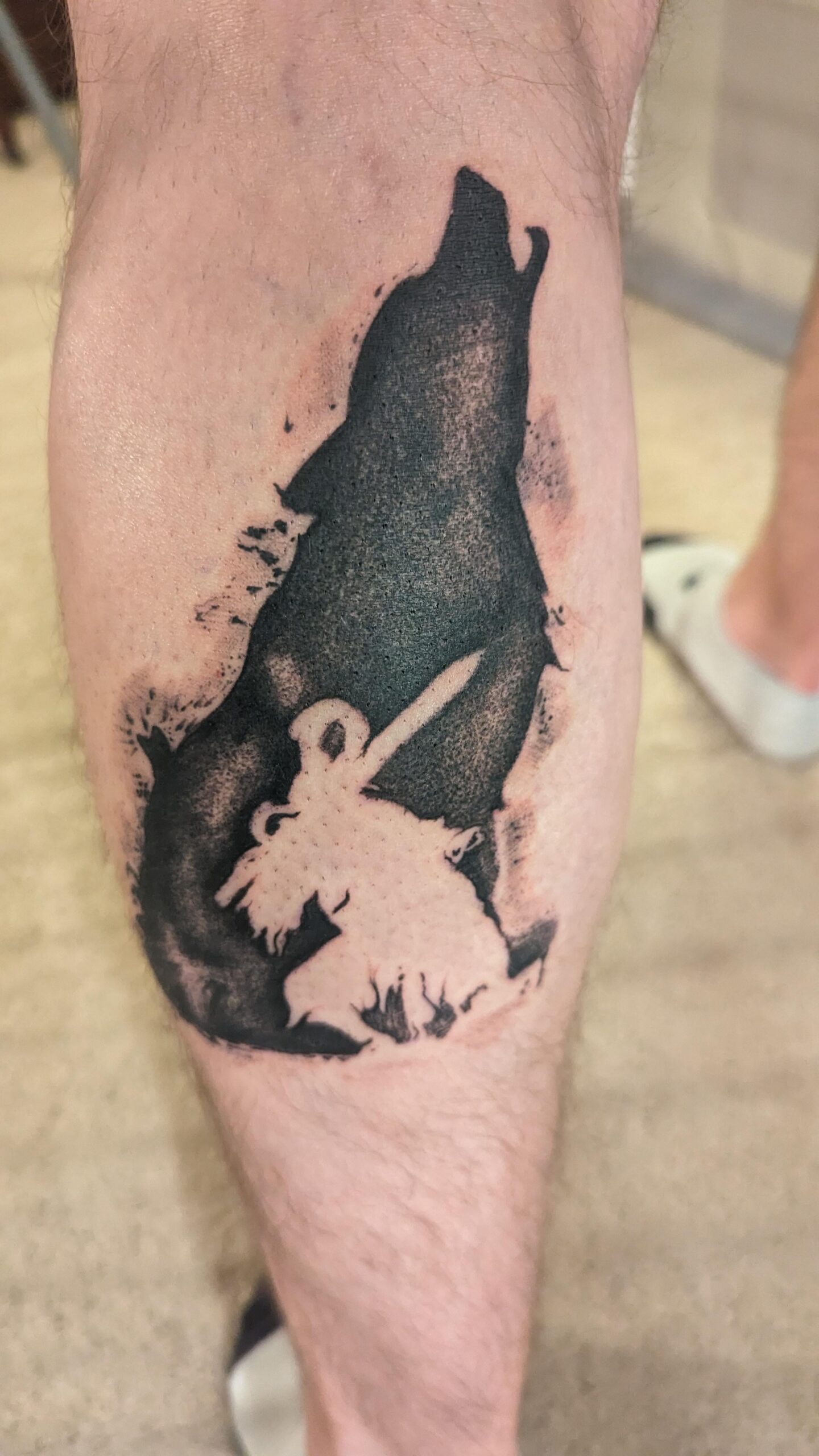
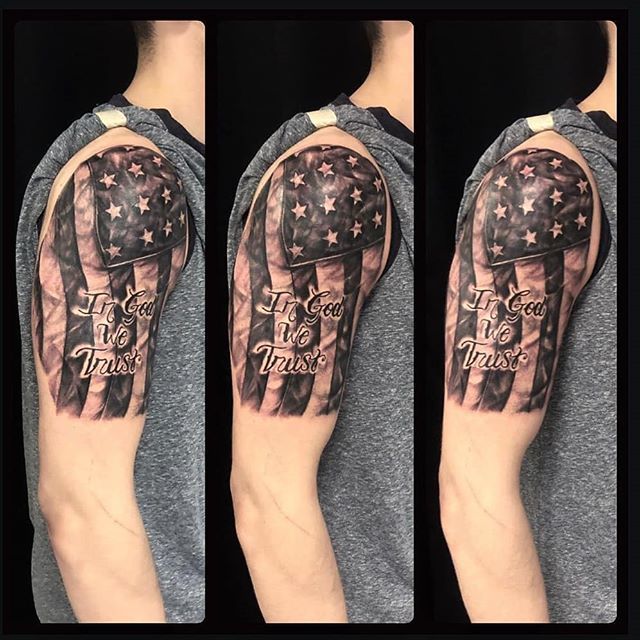

Cultural Connection
These tattoos connect individuals to:
- Historical artistic traditions
- Cultural heritage
- Shared human experiences
Choosing a Reliable Tattoo Shop for Traditional Designs
Key Considerations
When seeking a “tried and true” tattoo experience:
- Research artist’s portfolio
- Check specialization in traditional styles
- Verify hygiene standards
- Read customer reviews
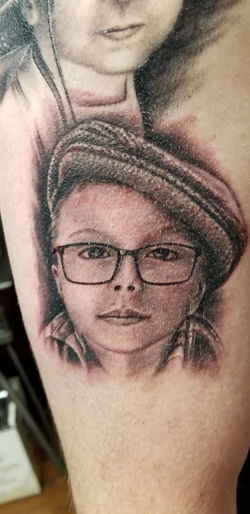
- Examine healed tattoo examples






Red Flags to Avoid
- Inconsistent line work
- Poor color saturation
- Lack of understanding of traditional design principles
Preservation and Aging of Traditional Tattoos
Proper Aftercare
To maintain the integrity of traditional tattoos:
- Follow strict aftercare instructions
- Use recommended healing products
- Protect from excessive sun exposure
- Keep skin moisturized
- Avoid picking or scratching
Long-Term Maintenance
Traditional tattoos age remarkably well due to:
- Bold line work
- Limited, high-quality pigments
- Simplified design elements



Conclusion: An Artistic Legacy
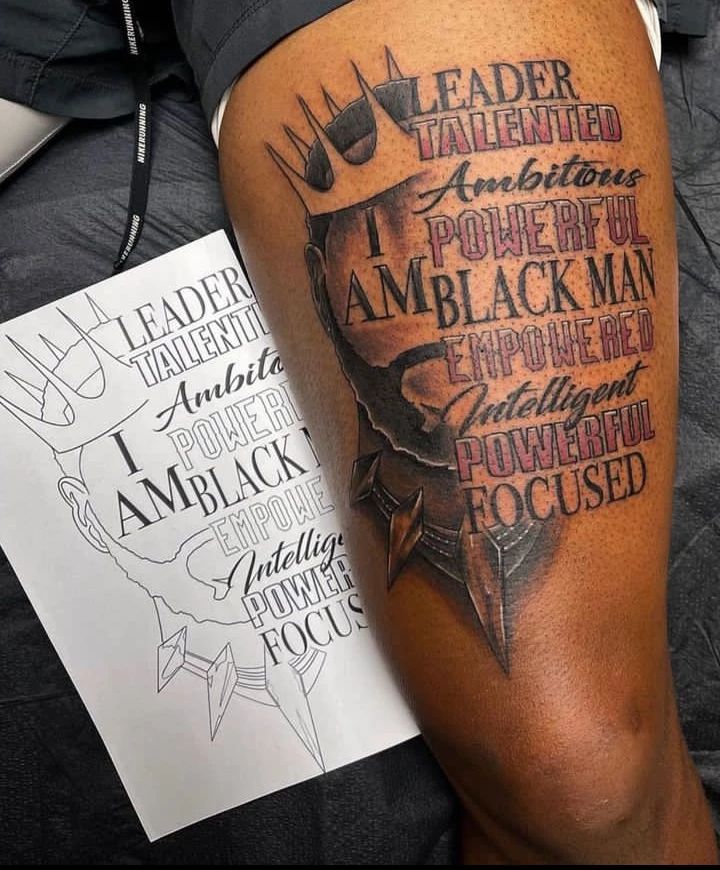
Traditional tattoos represent more than body art—they are living historical documents, personal statements, and artistic expressions that connect us to broader human experiences.