

The lobotomy, a now-discredited neurosurgical procedure, carries a dark history fraught with ethical violations and human suffering. Its depiction in body art, through the lobotomy tattoo, raises complex questions about meaning, remembrance, and the potential for misinterpretation. This article explores the history of lobotomies, the various interpretations of the lobotomy tattoo, and the ethical considerations surrounding this controversial design.
A Dark History: The Rise and Fall of Lobotomy
In the mid-20th century, the lobotomy was touted as a revolutionary treatment for mental illness. Developed by Portuguese neurologist António Egas Moniz, the procedure involved severing connections in the prefrontal cortex of the brain. It quickly gained popularity, despite its crude nature and often devastating side effects. Thousands of individuals, including many against their will, underwent the procedure, often experiencing profound personality changes, cognitive impairment, and loss of autonomy.
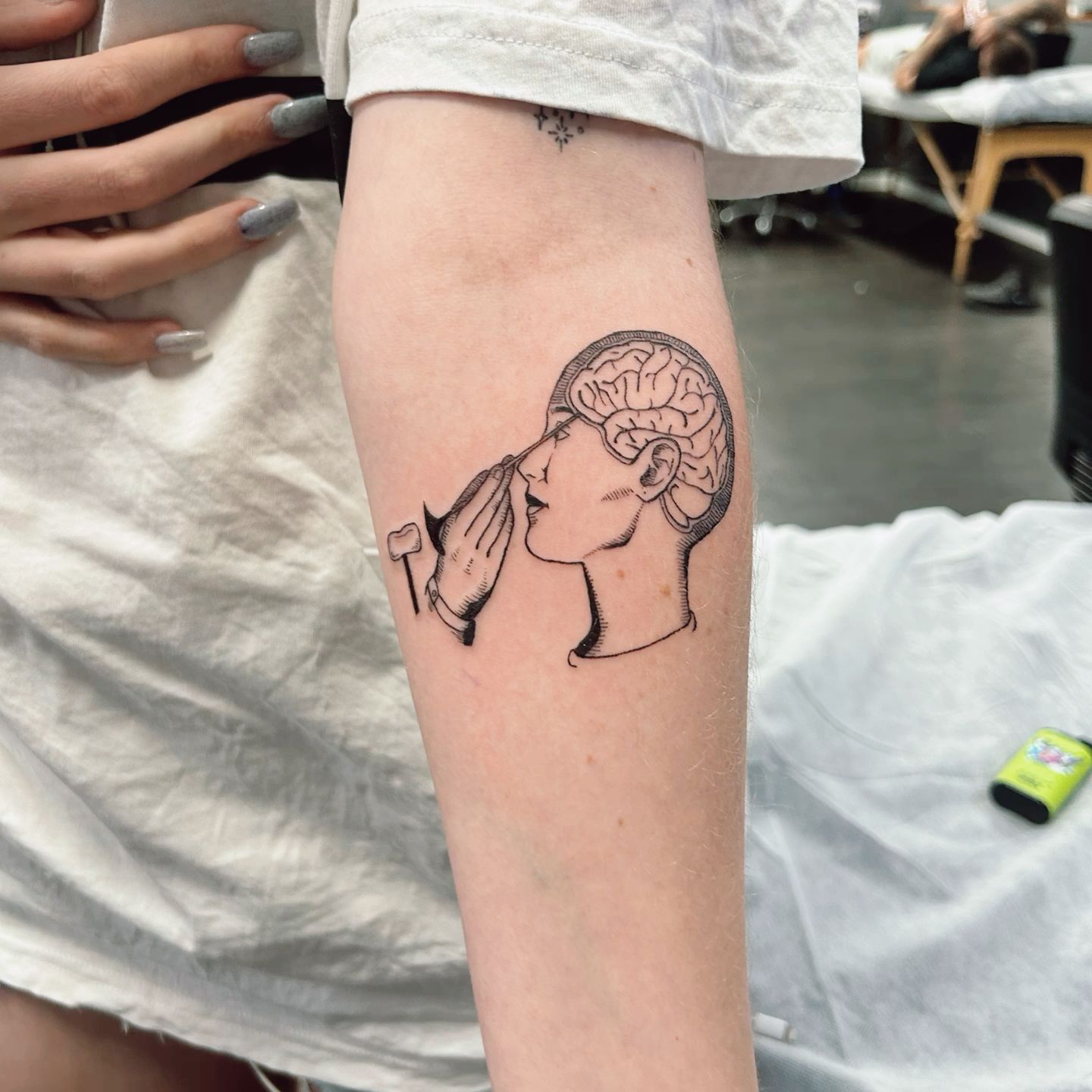
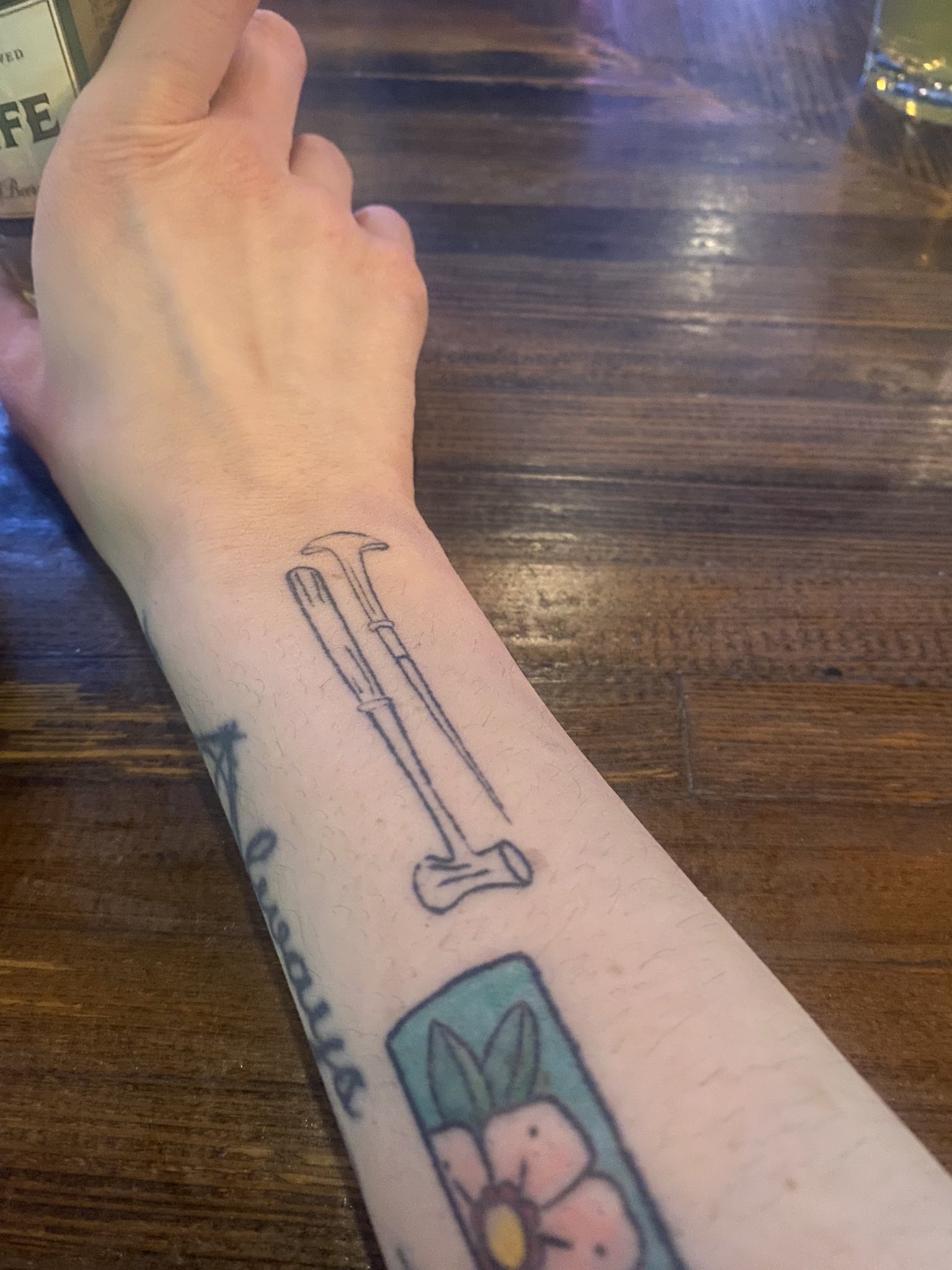
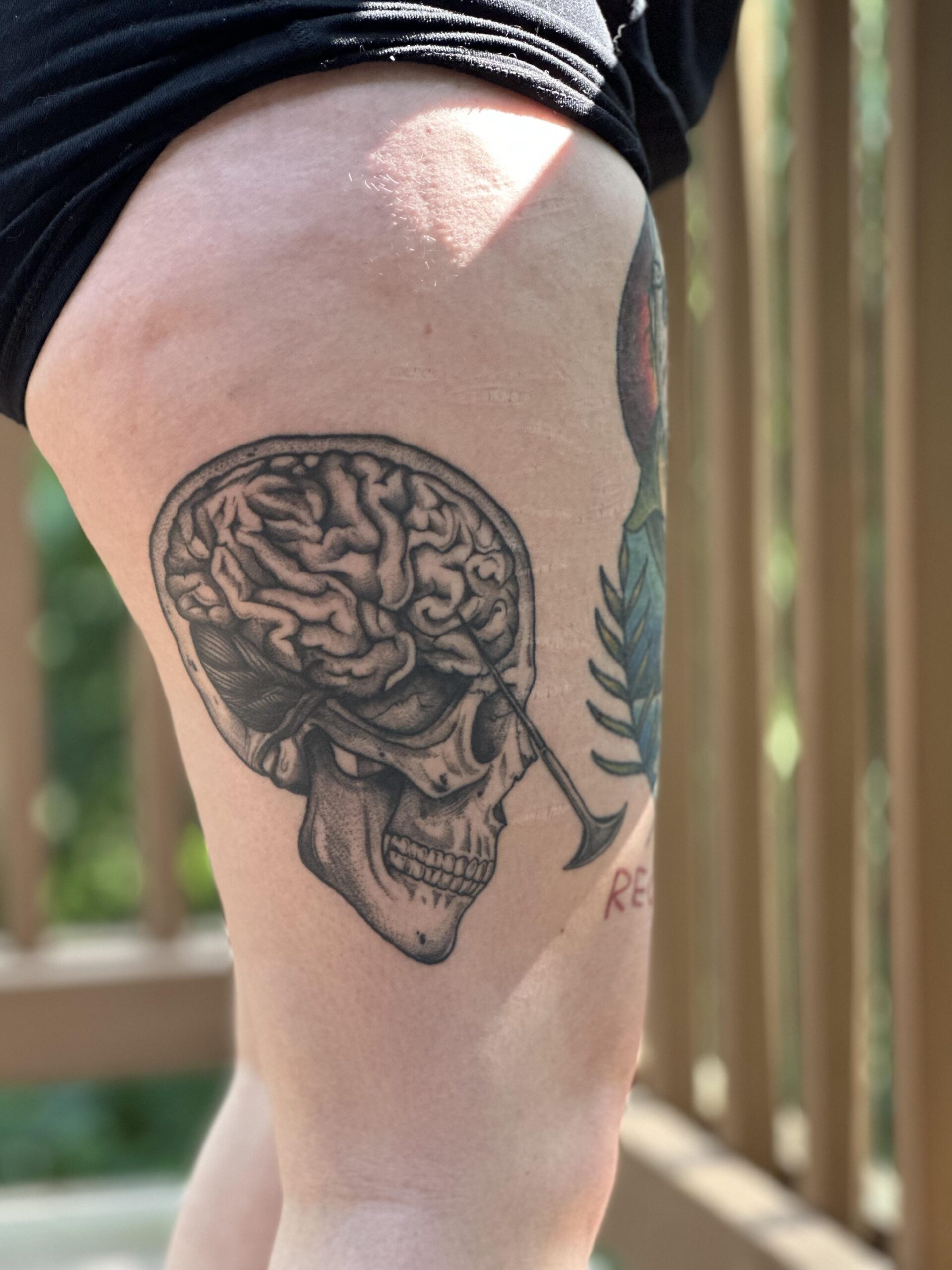
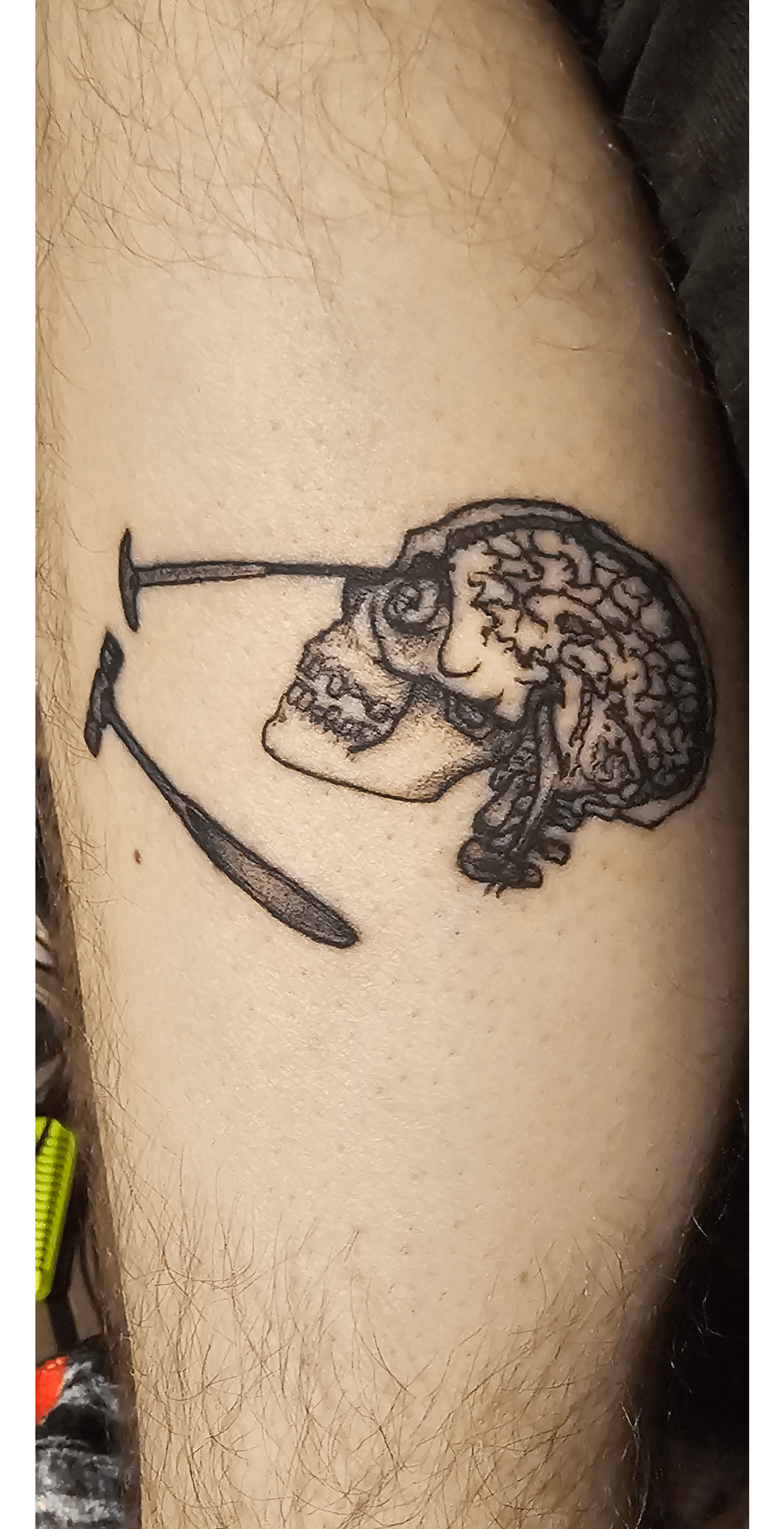
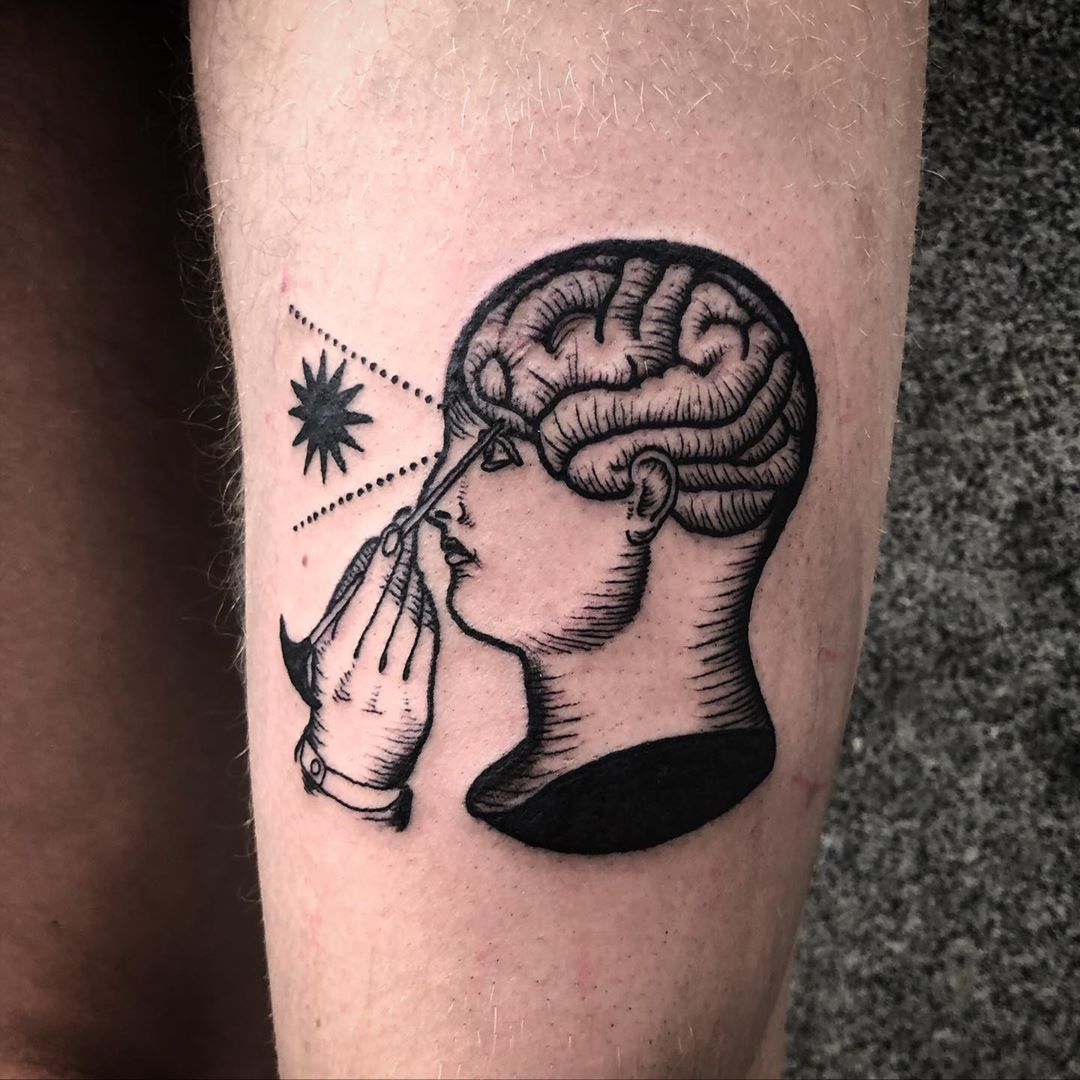
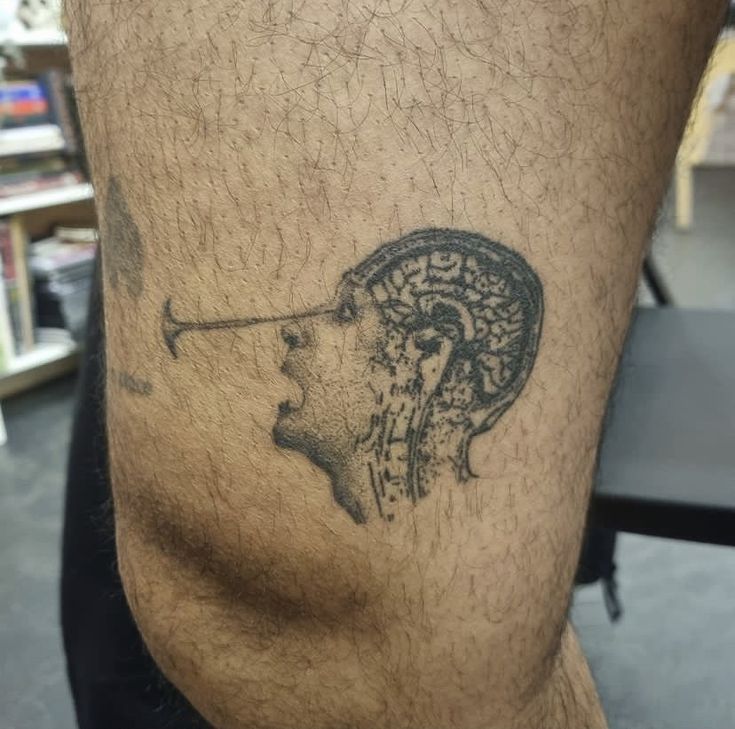
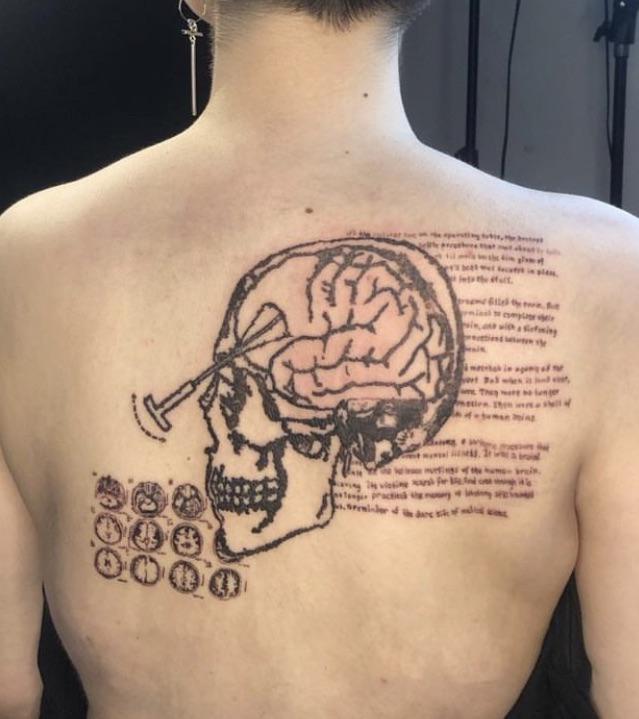
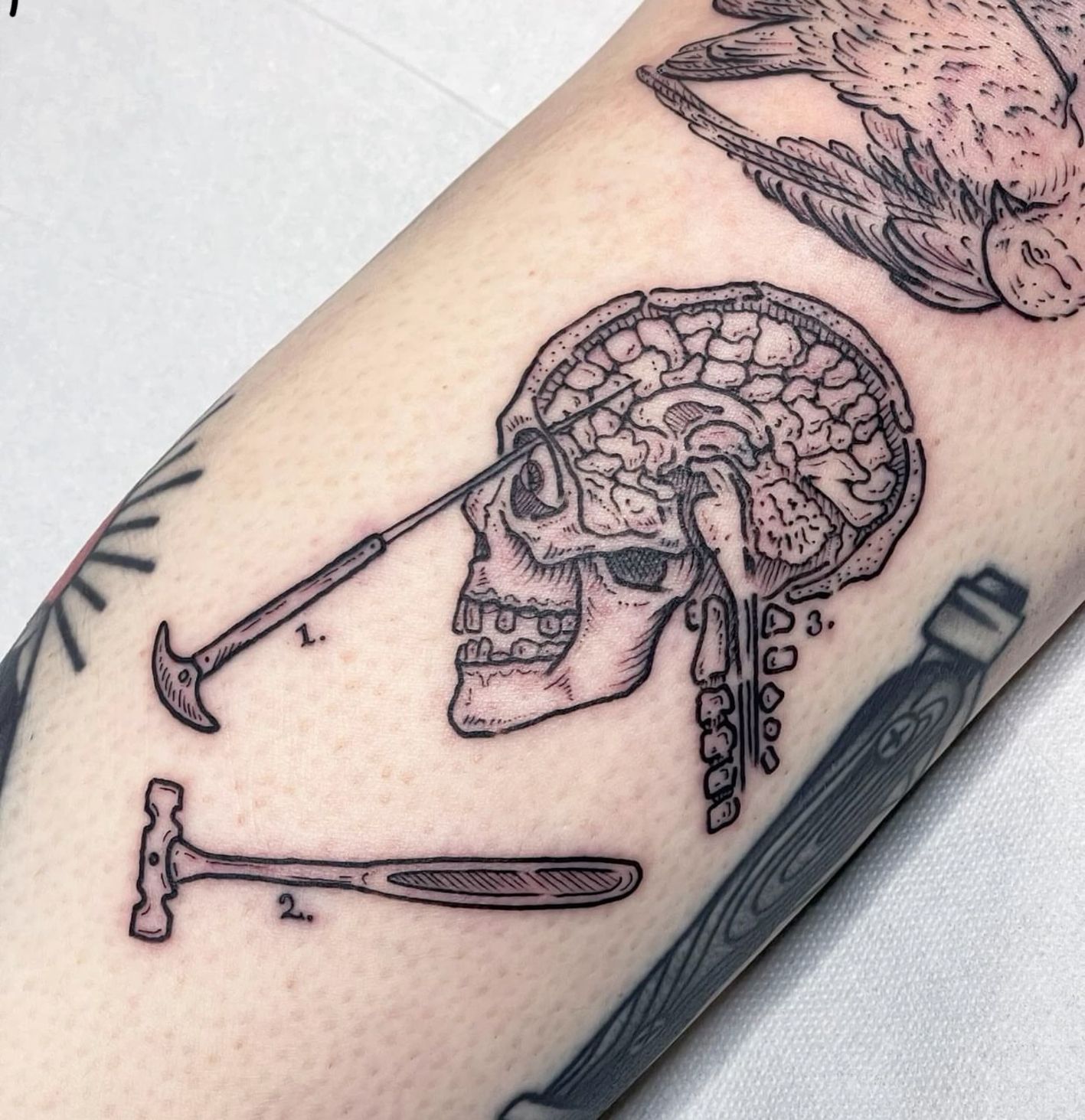
The ice pick lobotomy, a particularly brutal variation, further solidified the procedure’s barbaric image. This method involved inserting a sharp instrument through the eye socket to access the brain, a chilling reminder of the invasive and damaging nature of the procedure. As the devastating consequences of lobotomies became increasingly evident, the procedure fell out of favor, eventually being largely abandoned.
The Lobotomy Tattoo: Interpretations and Meanings
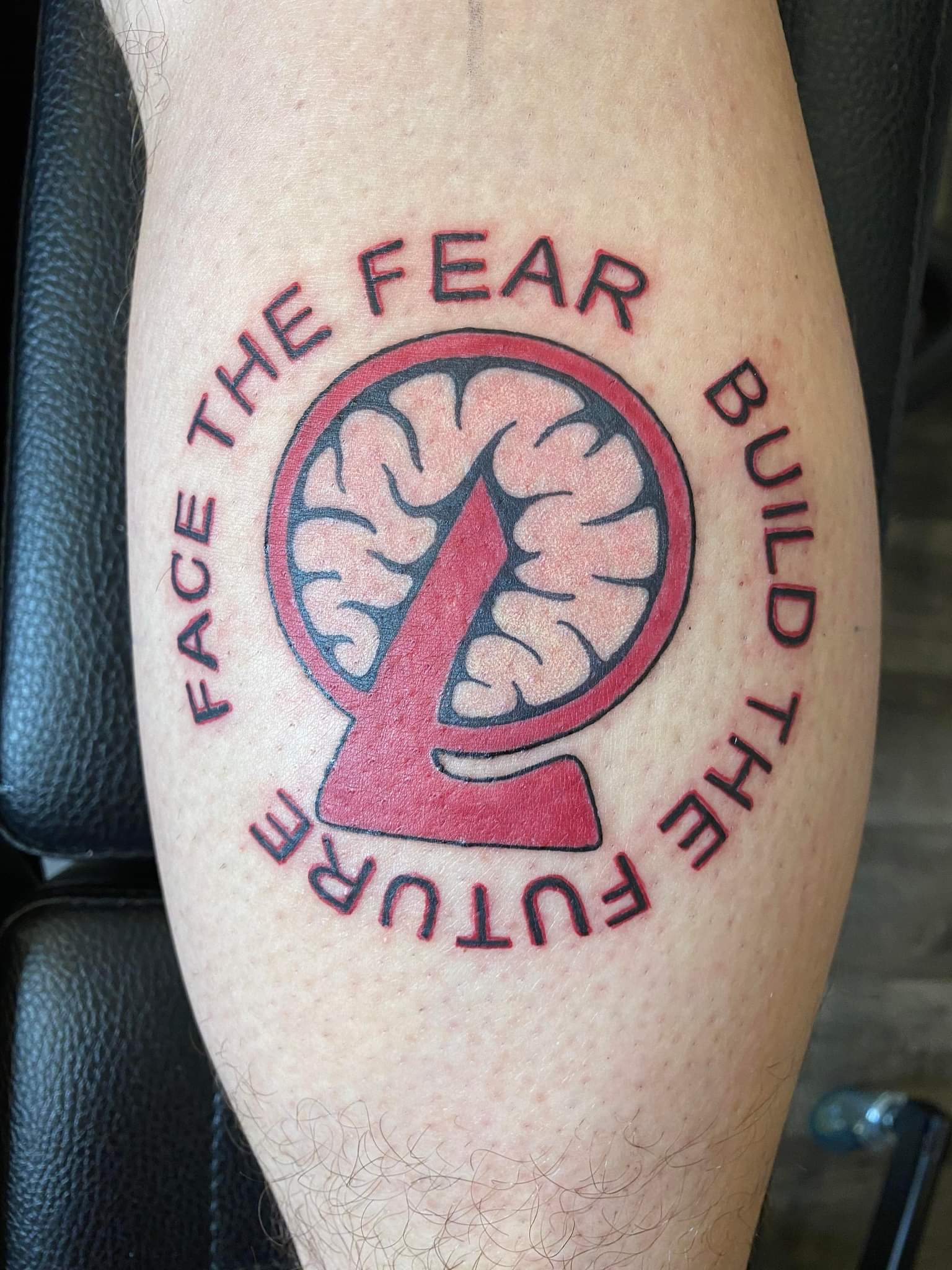
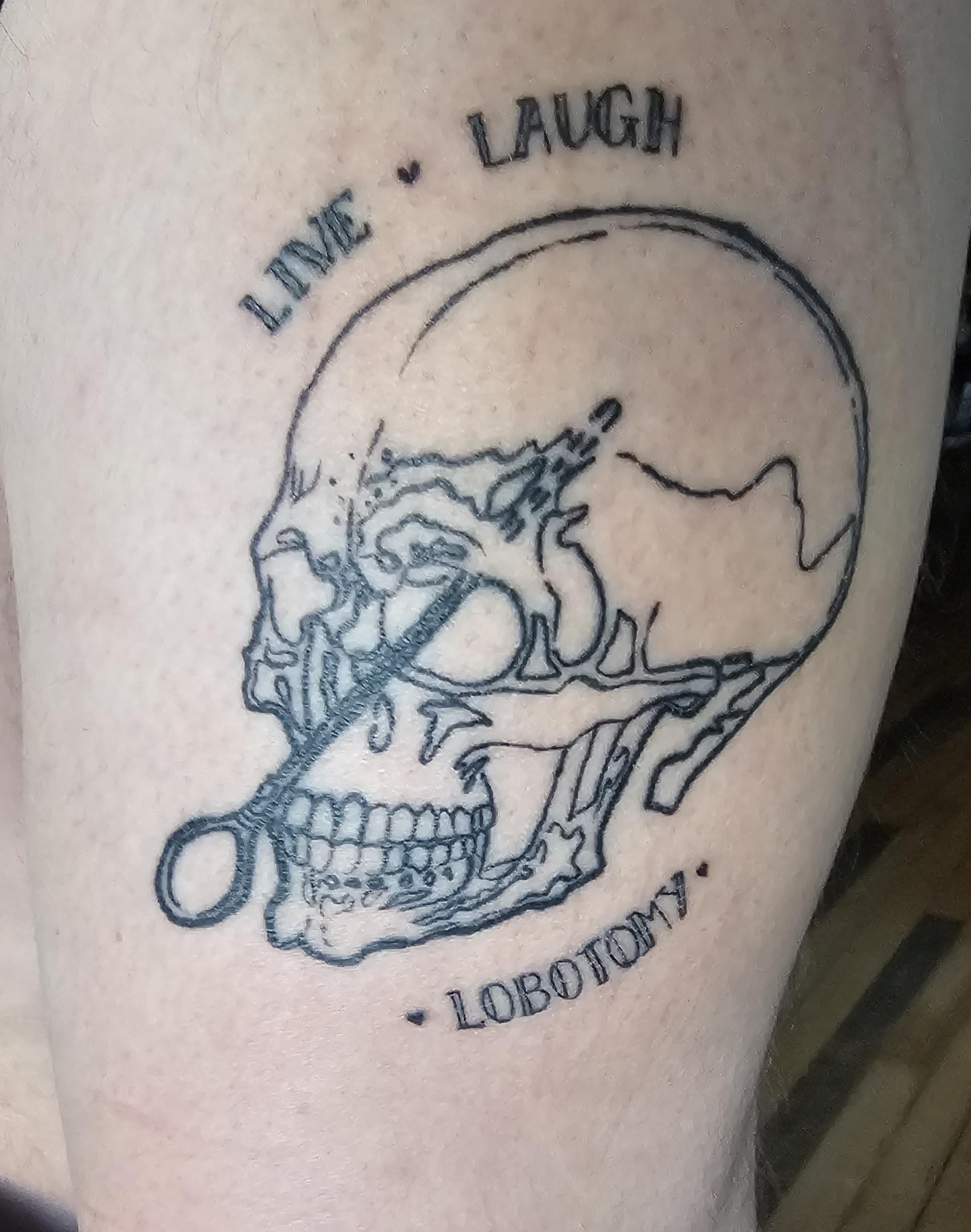
Given its dark history, the choice to get a lobotomy tattoo is understandably met with curiosity and often concern. The meaning behind such a tattoo can vary significantly depending on the individual. For some, it may serve as a memorial to a family member who underwent the procedure, a way to acknowledge a painful past and honor their story. Others might choose a lobotomy scar tattoo as a symbol of overcoming adversity, representing their own struggles with mental illness or a difficult life experience. A vintage lobotomy tattoo might be chosen for its historical significance, reflecting an interest in medical history or a fascination with the macabre.
However, it’s crucial to acknowledge the potential for misinterpretation. A realistic lobotomy tattoo or a forehead lobotomy tattoo could be seen as trivializing the suffering of those who underwent the procedure. This is where the ethical considerations surrounding the lobotomy tattoo become paramount.
Ethical Considerations and Mental Health
The decision to get any tattoo, particularly one as loaded with historical and emotional weight as a lobotomy tattoo, should be approached with careful consideration. Is a lobotomy tattoo offensive? The answer is complex and depends heavily on context and individual interpretation. For some, it might be deeply triggering, recalling a painful personal or family history. Others might see it as an insensitive depiction of a serious mental health issue.
It’s essential for individuals considering a lobotomy tattoo to reflect on their motivations and consider the potential impact on themselves and others. Open conversations with mental health professionals, family members, and friends can be invaluable in navigating these complex emotions and making an informed decision.
Beyond the Lobotomy: Other Mental Health Tattoos
The lobotomy tattoo is just one example of body art related to mental health. Many individuals choose tattoos to represent their struggles, their journey toward recovery, or to raise awareness about mental illness. A brain surgery tattoo, while less specific, could symbolize overcoming a neurological challenge. Similarly, a mental health tattoo might feature symbols of hope, resilience, or personal growth. These tattoos can be powerful tools for self-expression, healing, and fostering dialogue around mental health.







































Conclusion
The lobotomy tattoo, a powerful and often controversial image, serves as a reminder of a dark chapter in medical history. Its meaning is multifaceted and deeply personal, prompting important conversations about individual expression, ethical considerations, and the complex relationship between body art and mental health. While the choice to get such a tattoo remains a personal one, it’s crucial to approach the decision with sensitivity, awareness, and a deep understanding of its historical and emotional weight.