

Scars tell stories of survival, resilience, and personal transformation. For many individuals, scars represent more than just physical marks—they are powerful reminders of journeys through medical procedures, accidents, or life-changing experiences. Scar tattoos have emerged as a profound method of reclaiming one’s narrative, turning perceived imperfections into beautiful, meaningful artwork.
In this comprehensive guide, we’ll explore the intricate world of scar tattoos, diving deep into techniques, psychological implications, and the transformative power of turning scars into art.
Understanding Scar Tattoo Fundamentals
What Are Scar Tattoos?
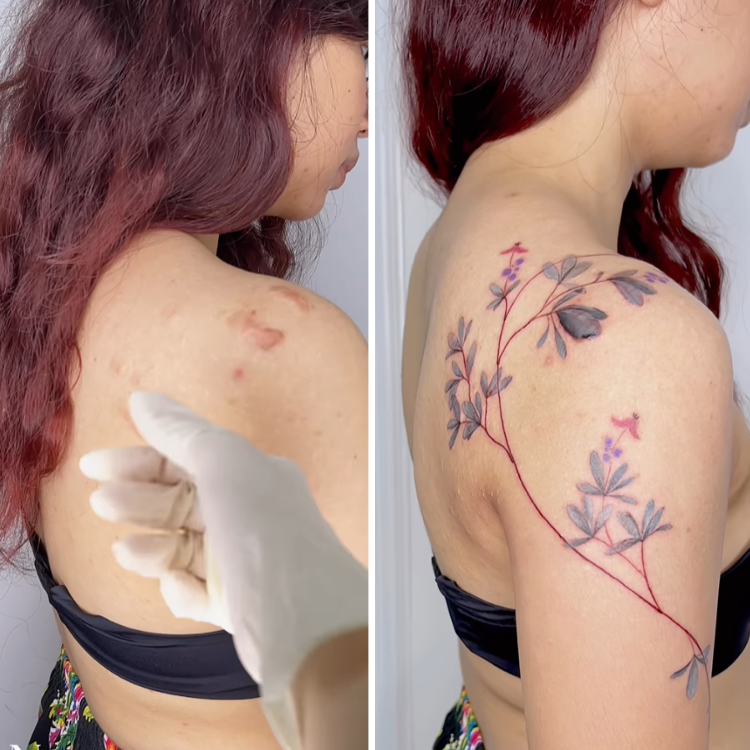
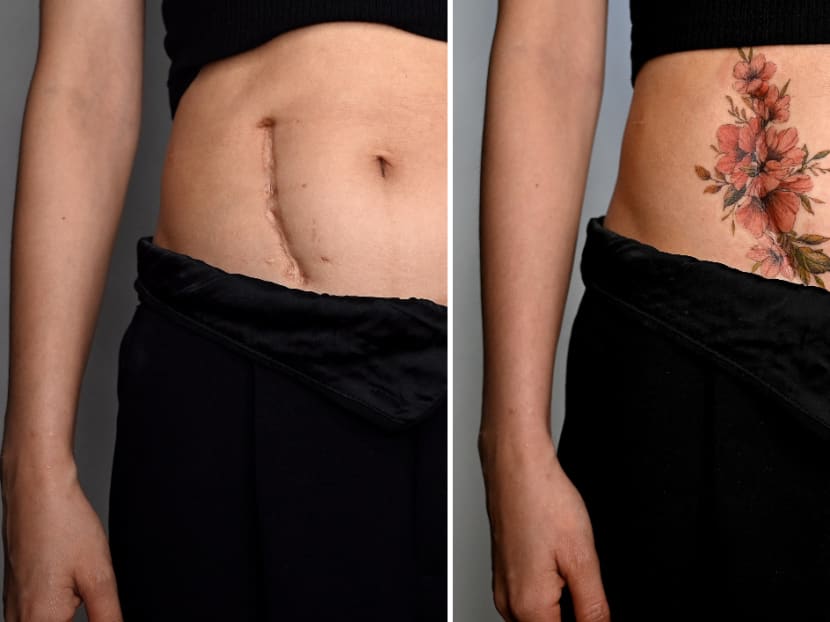
Scar tattoos are specialized tattoo techniques designed to either:
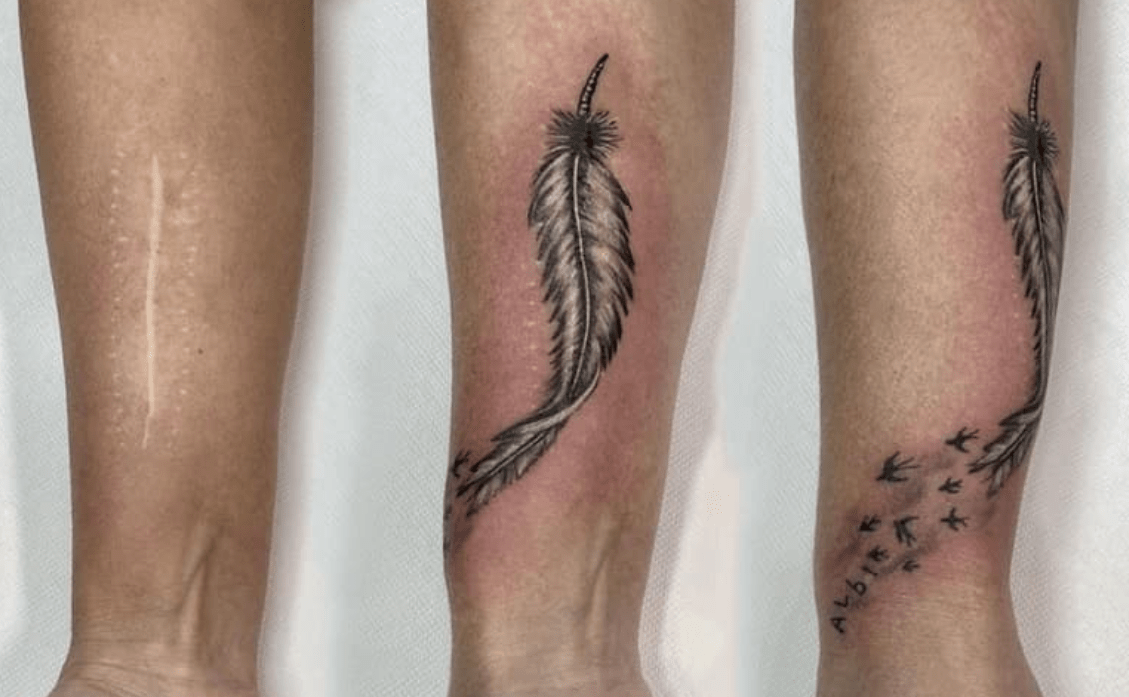
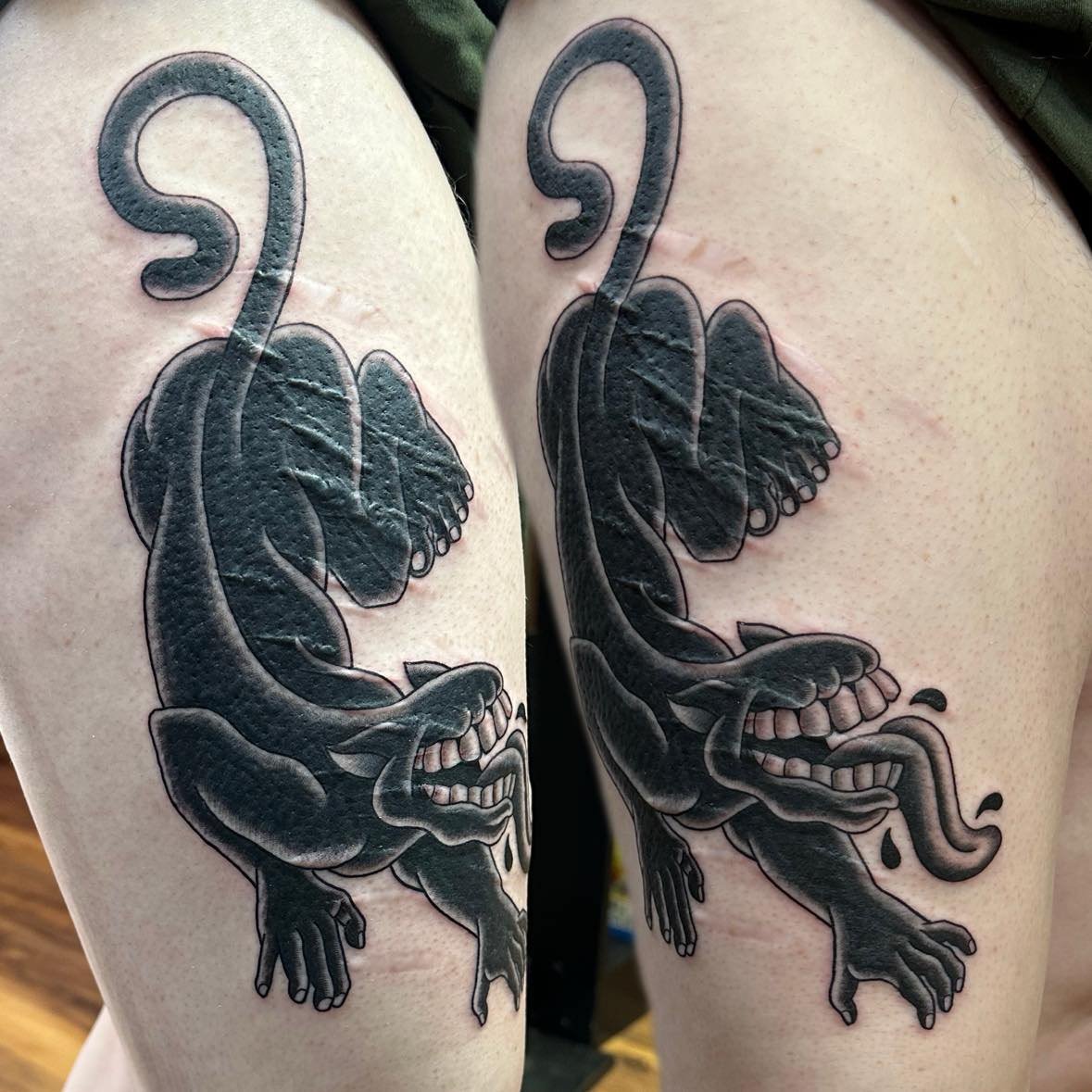
- Completely cover surgical or traumatic scars
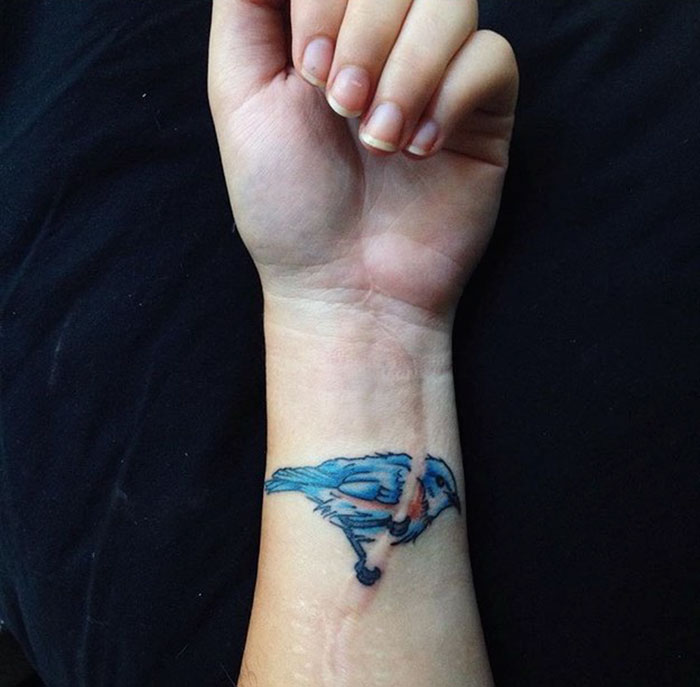
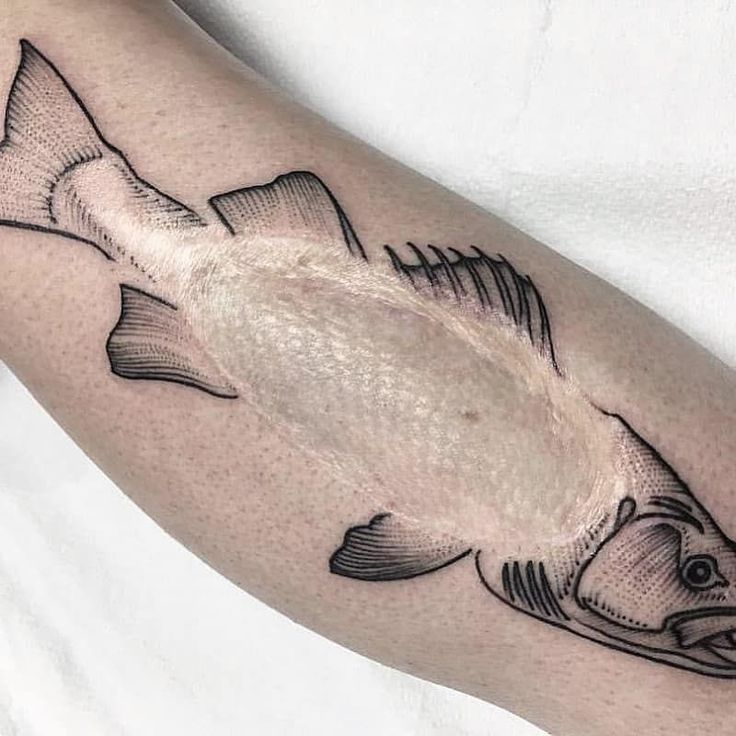
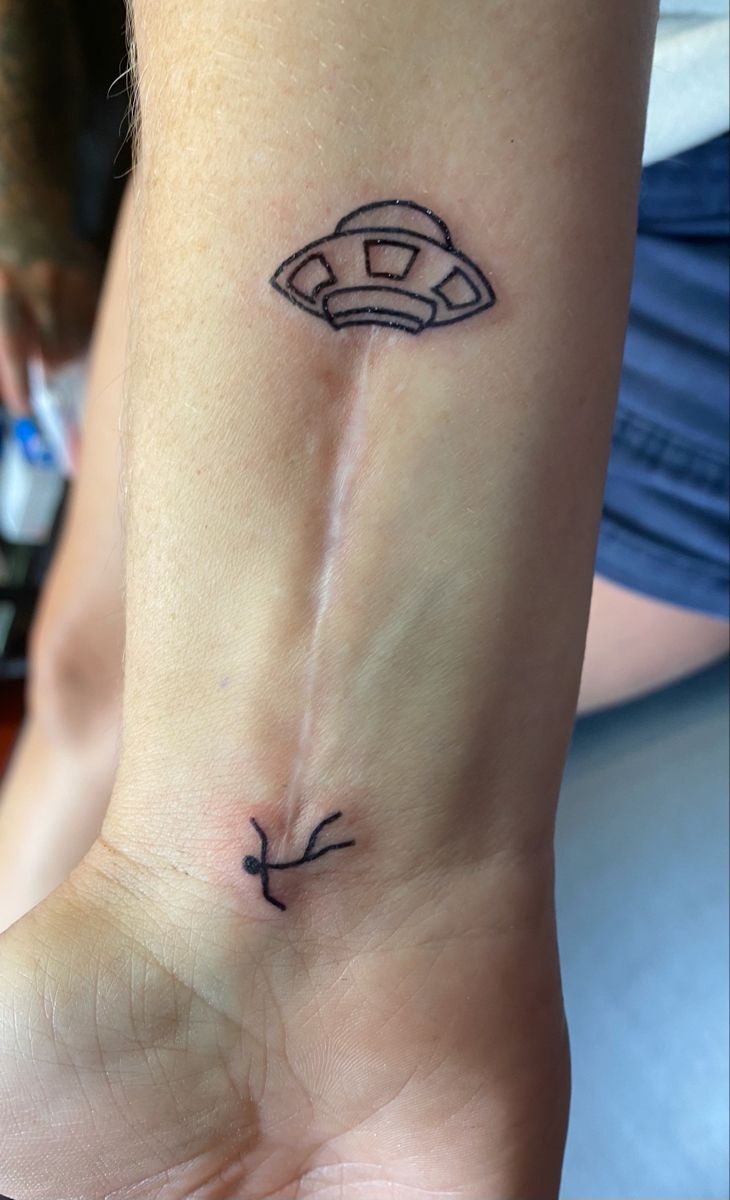
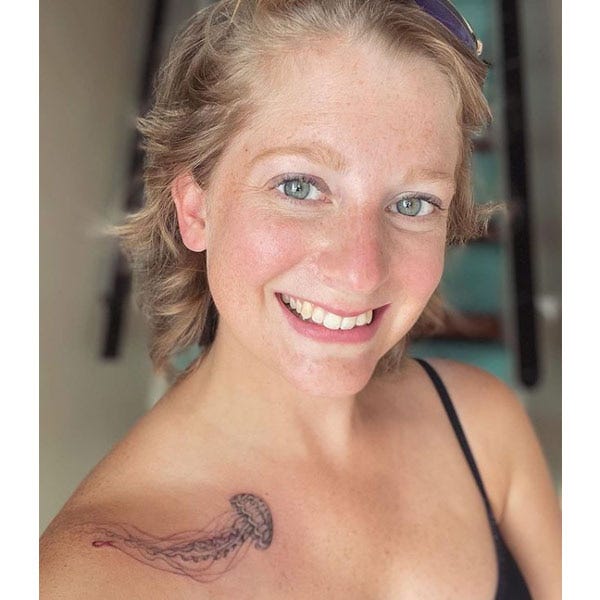
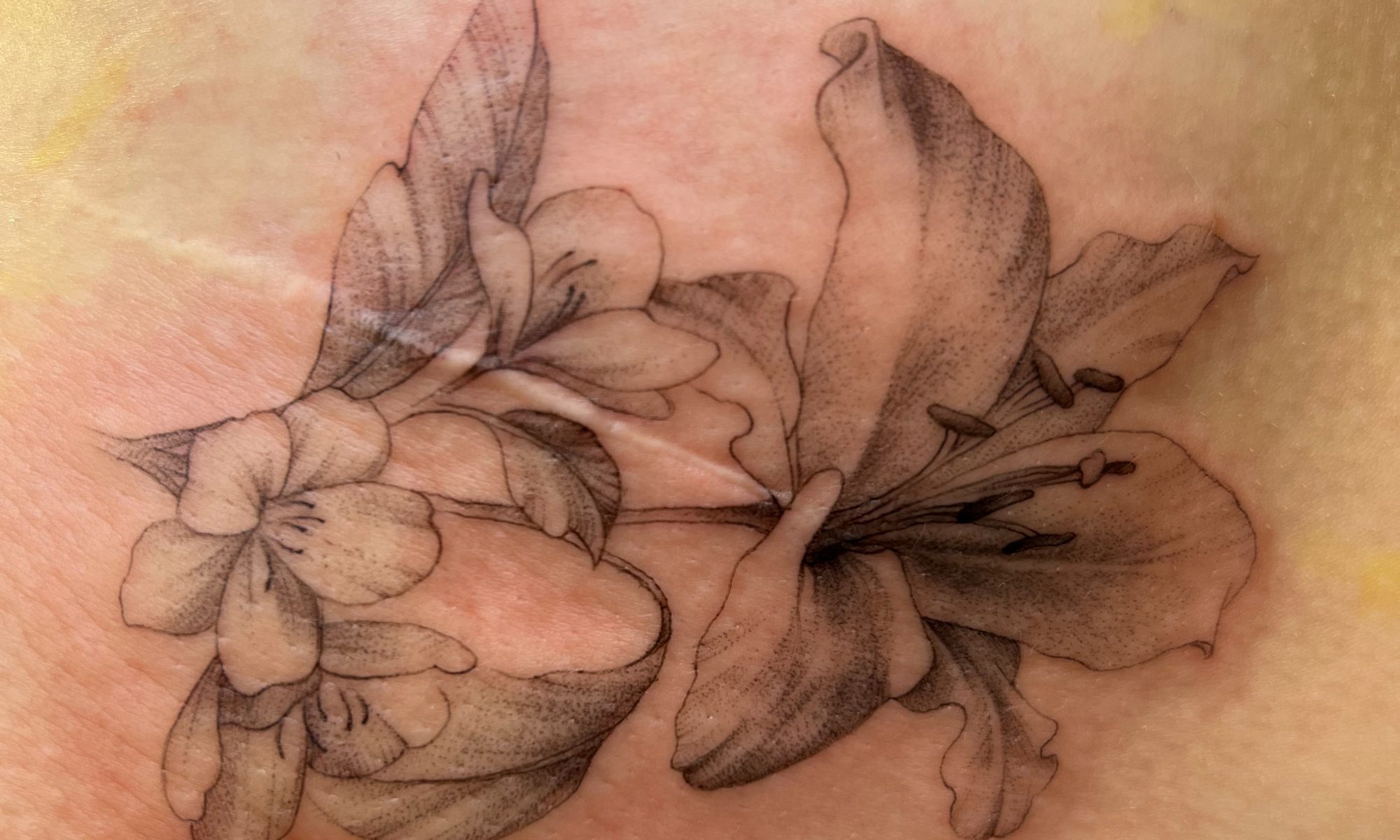
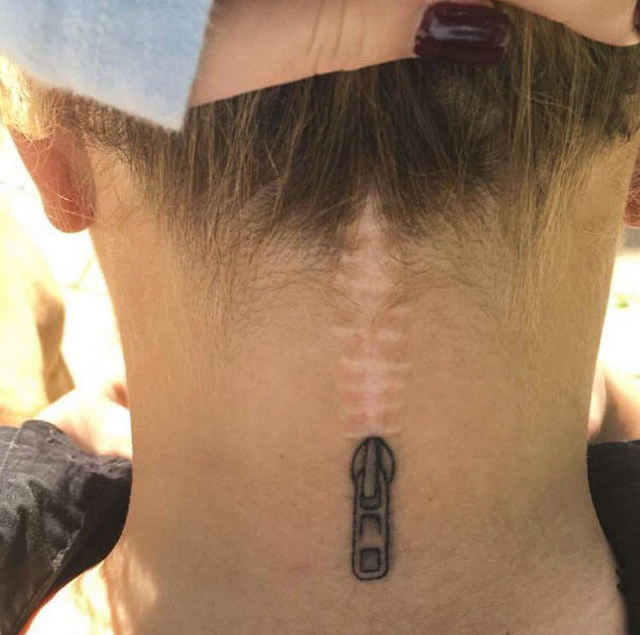
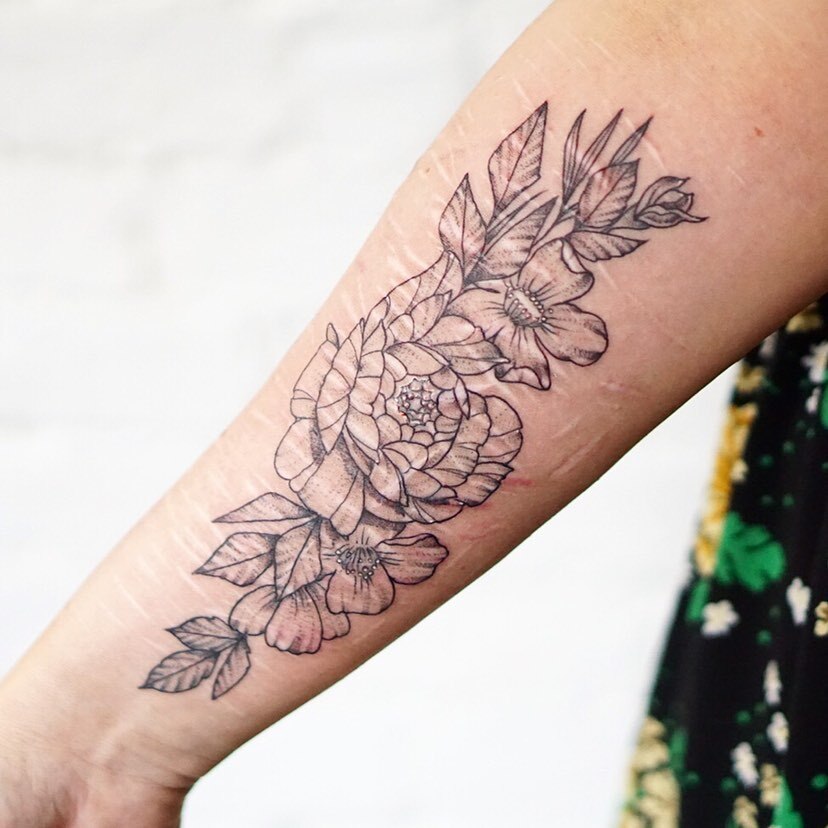
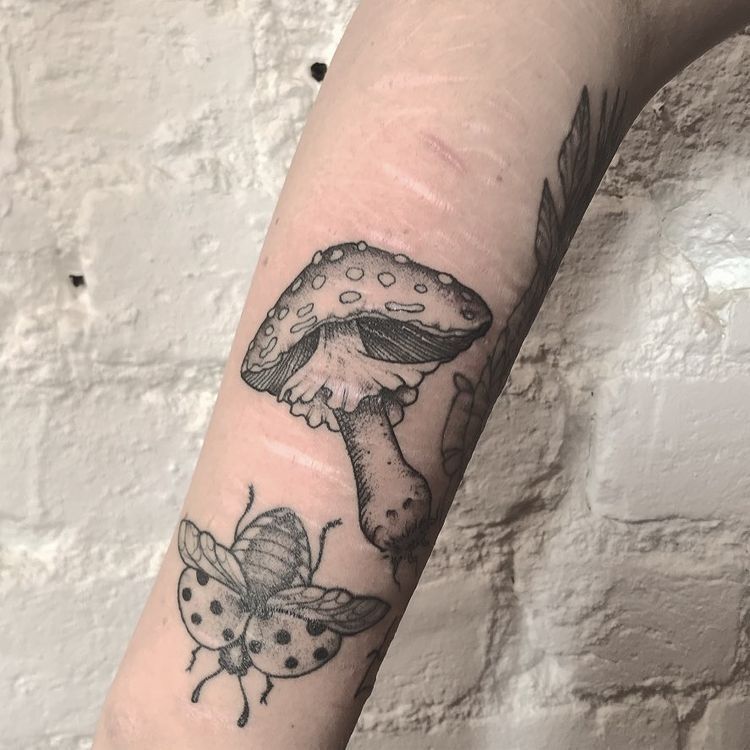
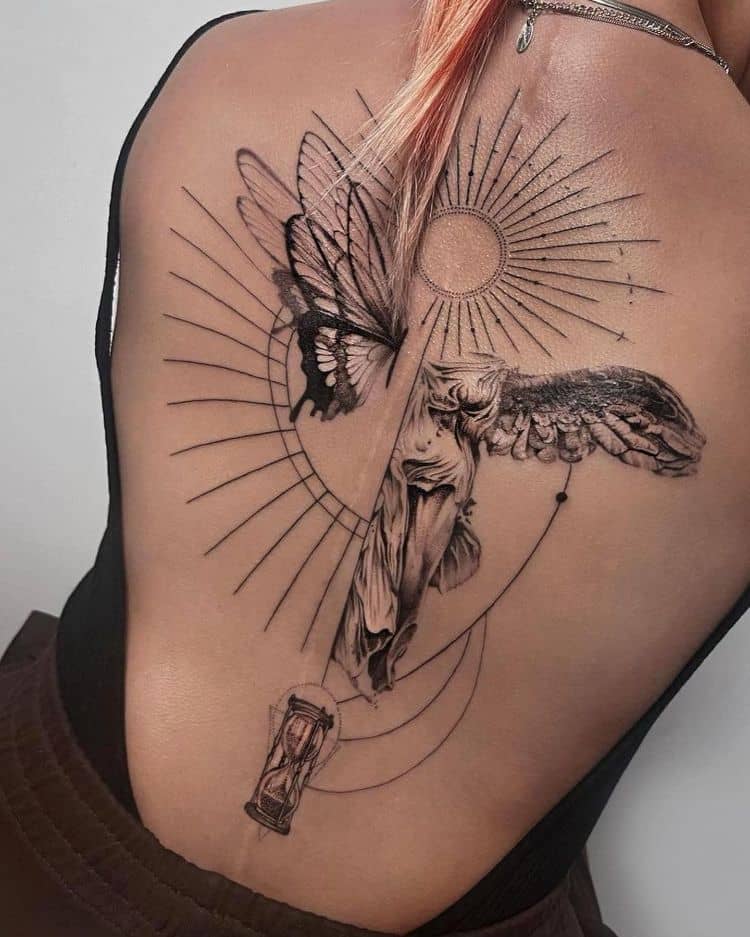
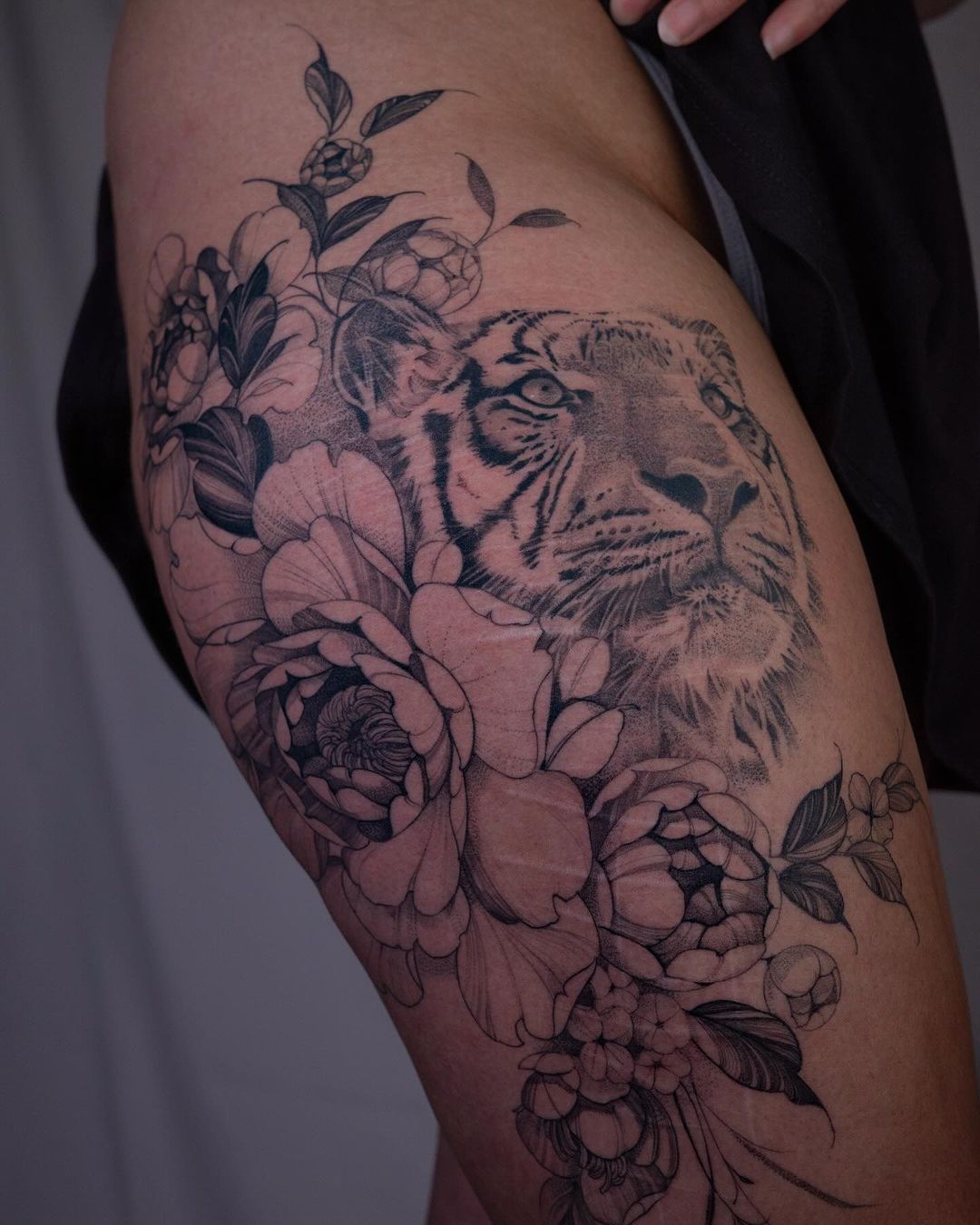
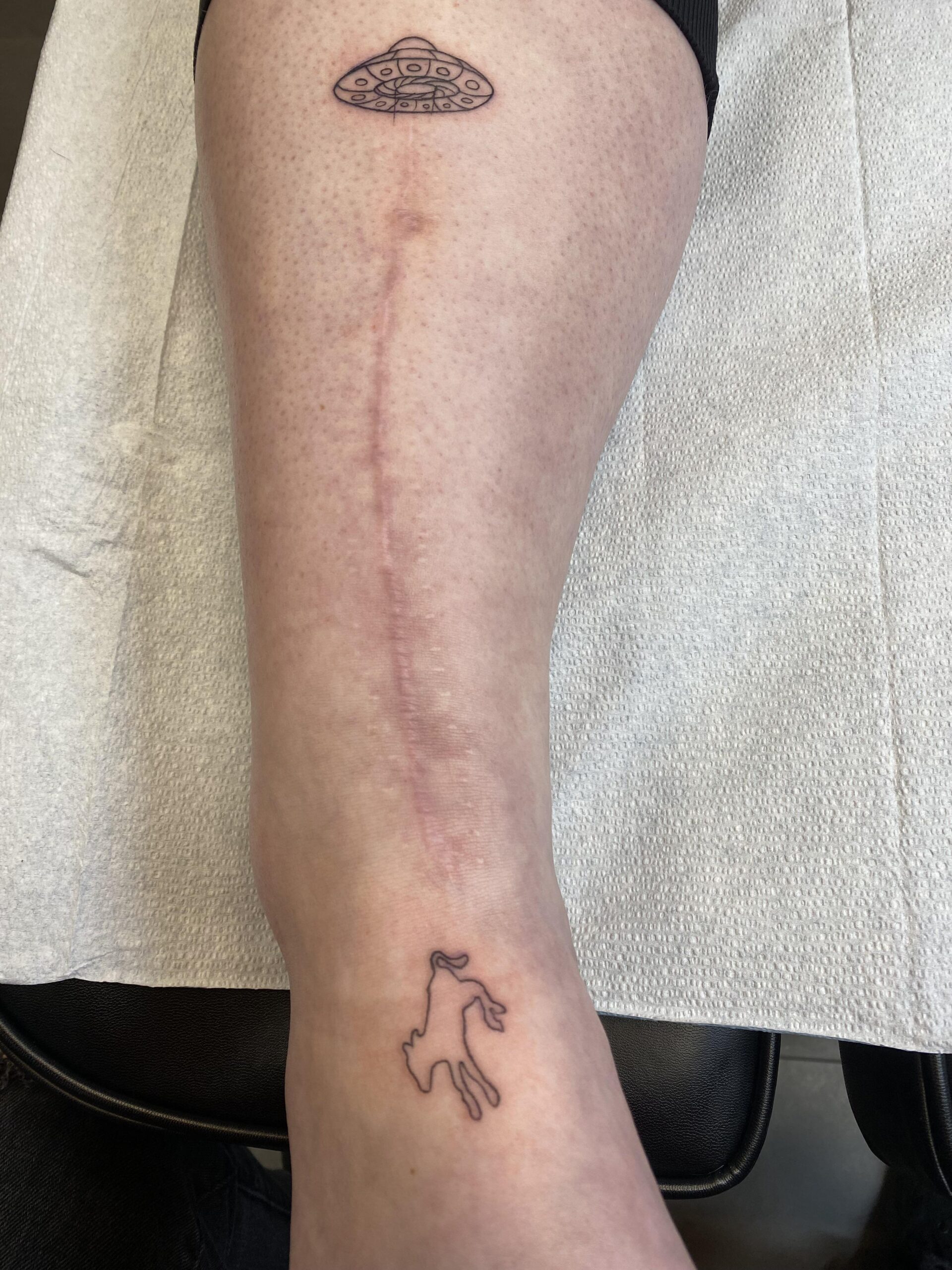
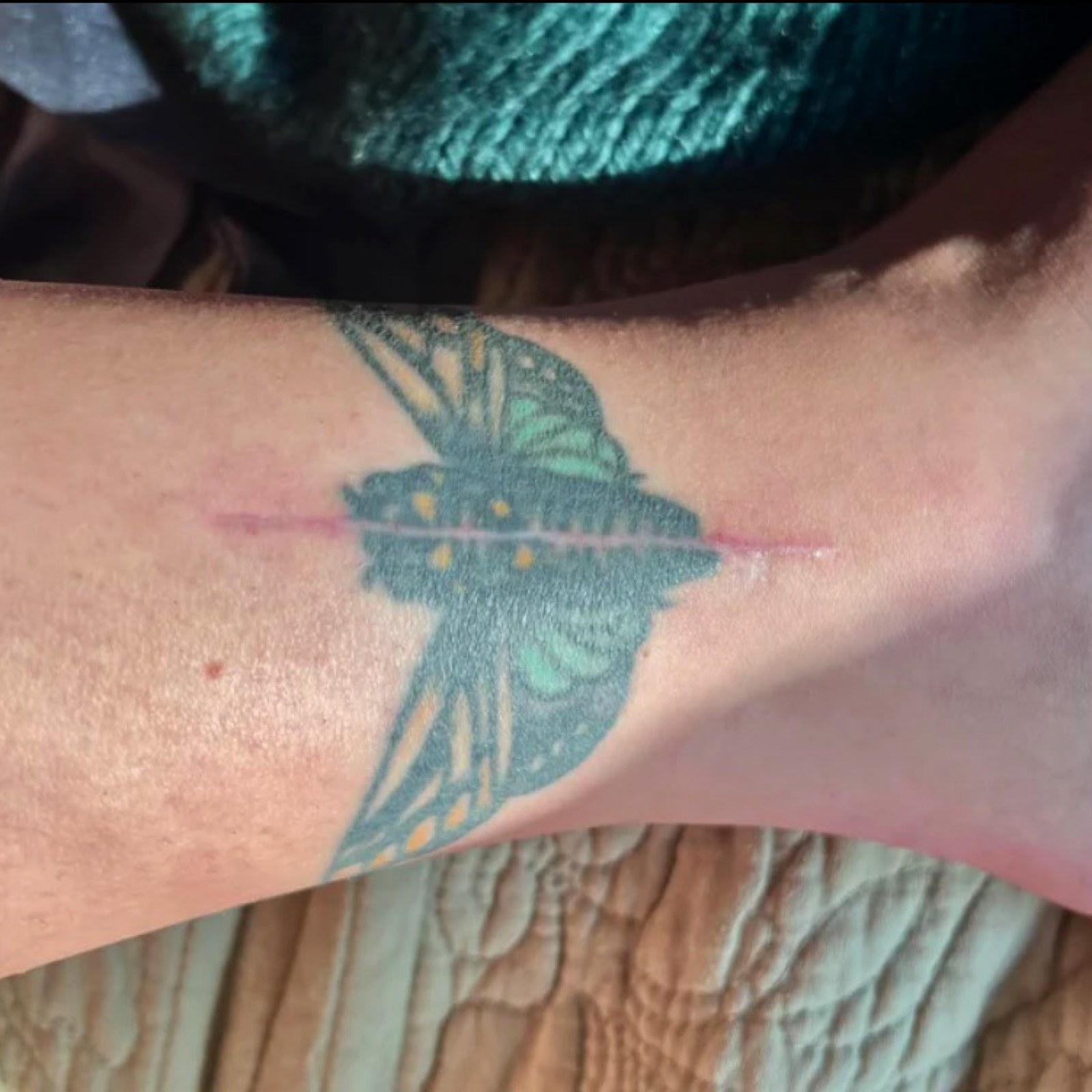
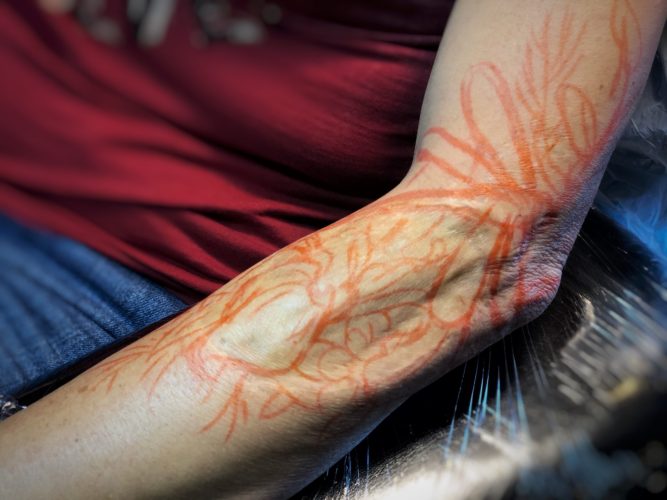
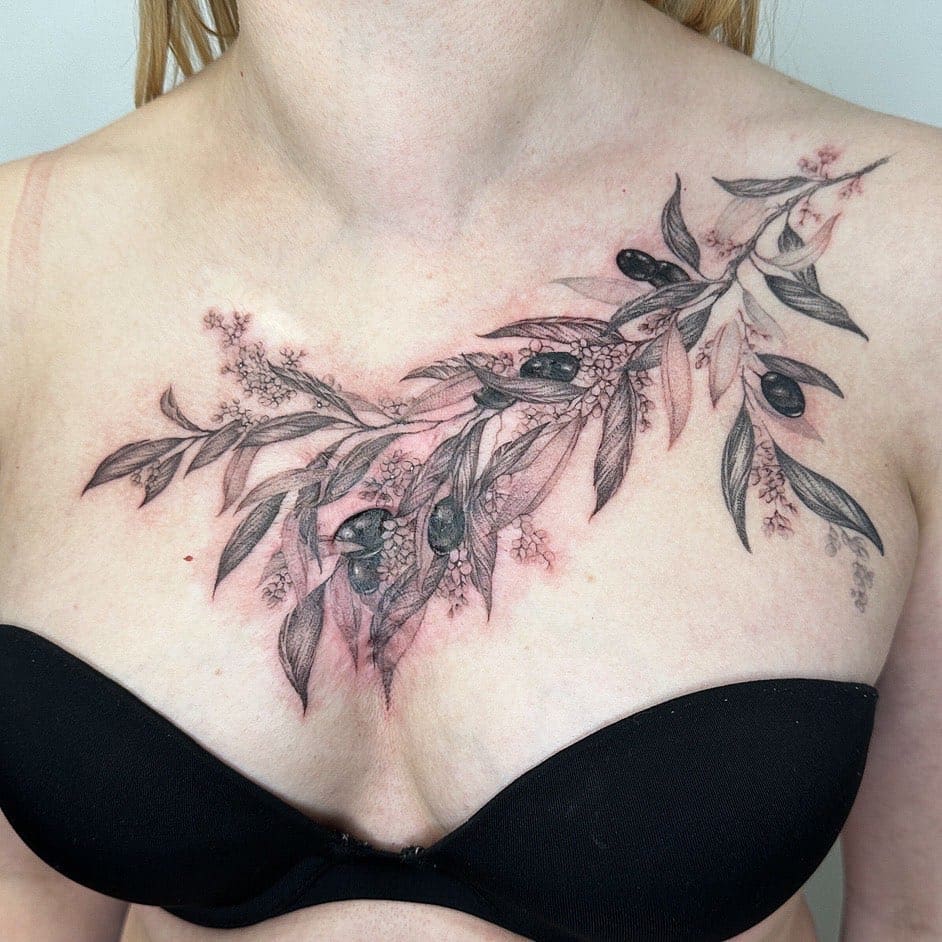
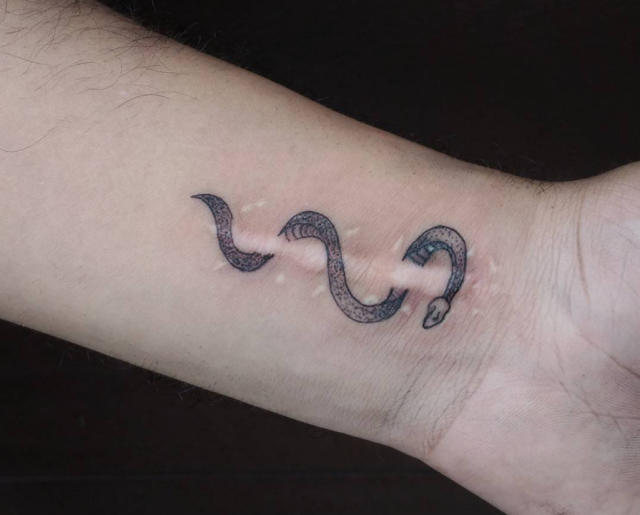
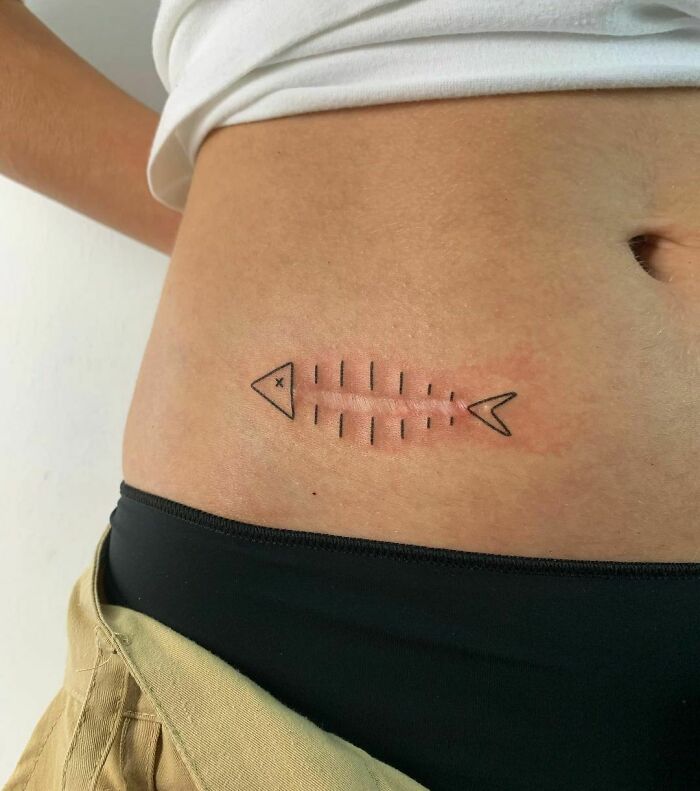
- Integrate the scar into a larger artistic design
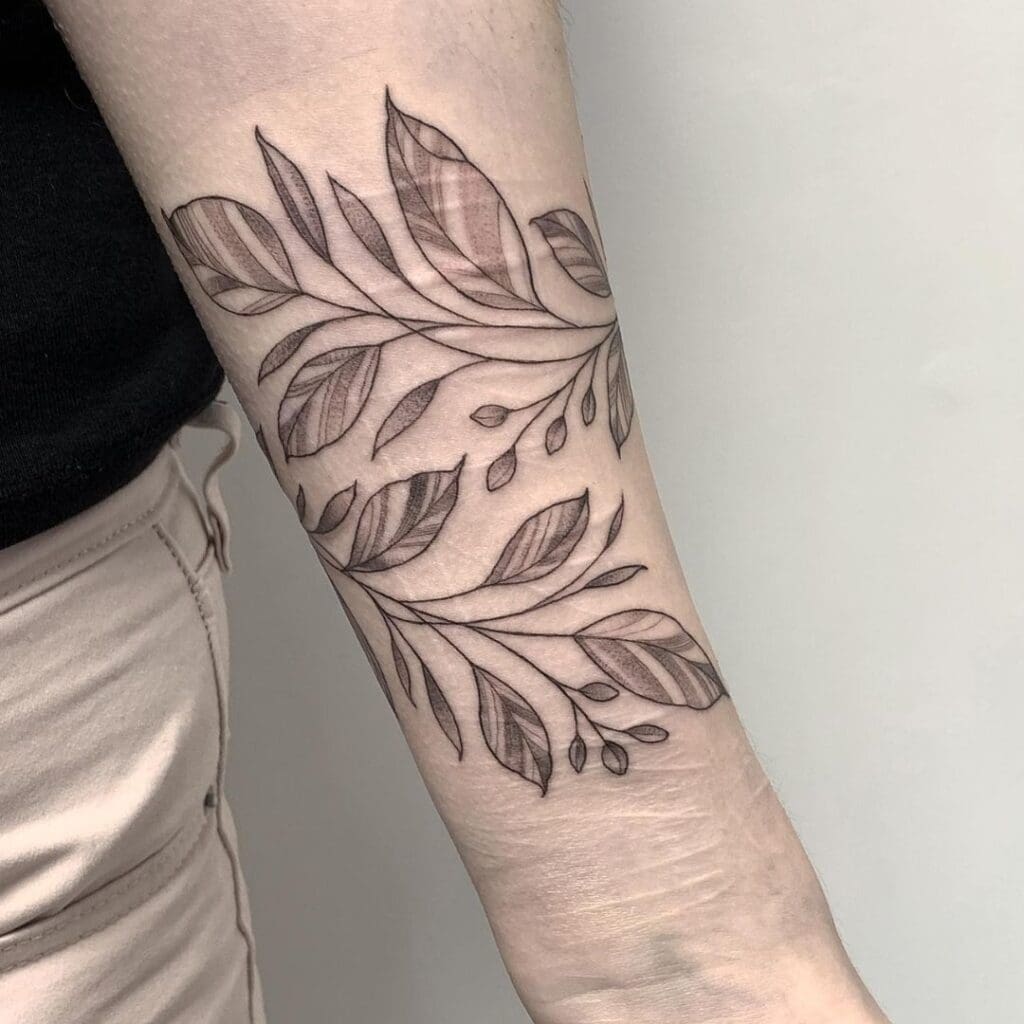
- Camouflage and visually minimize scar appearance
- Create meaningful artwork that celebrates healing and transformation
Types of Scars Suitable for Tattoo Coverage
Not all scars are created equal. Understanding your specific scar type is crucial for successful tattoo coverage:
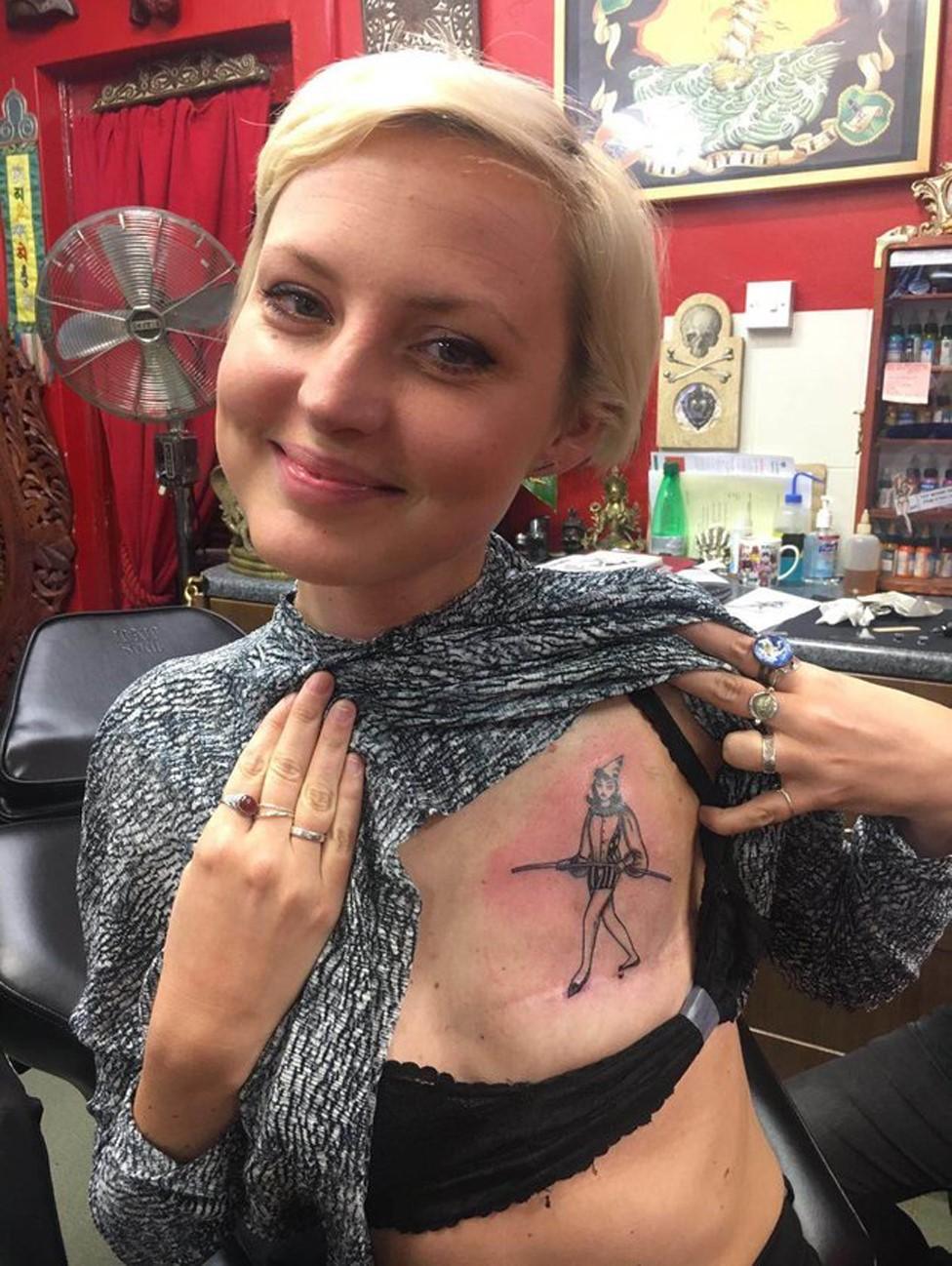
- Surgical Scars: Often linear and clean, ideal for intricate design integration
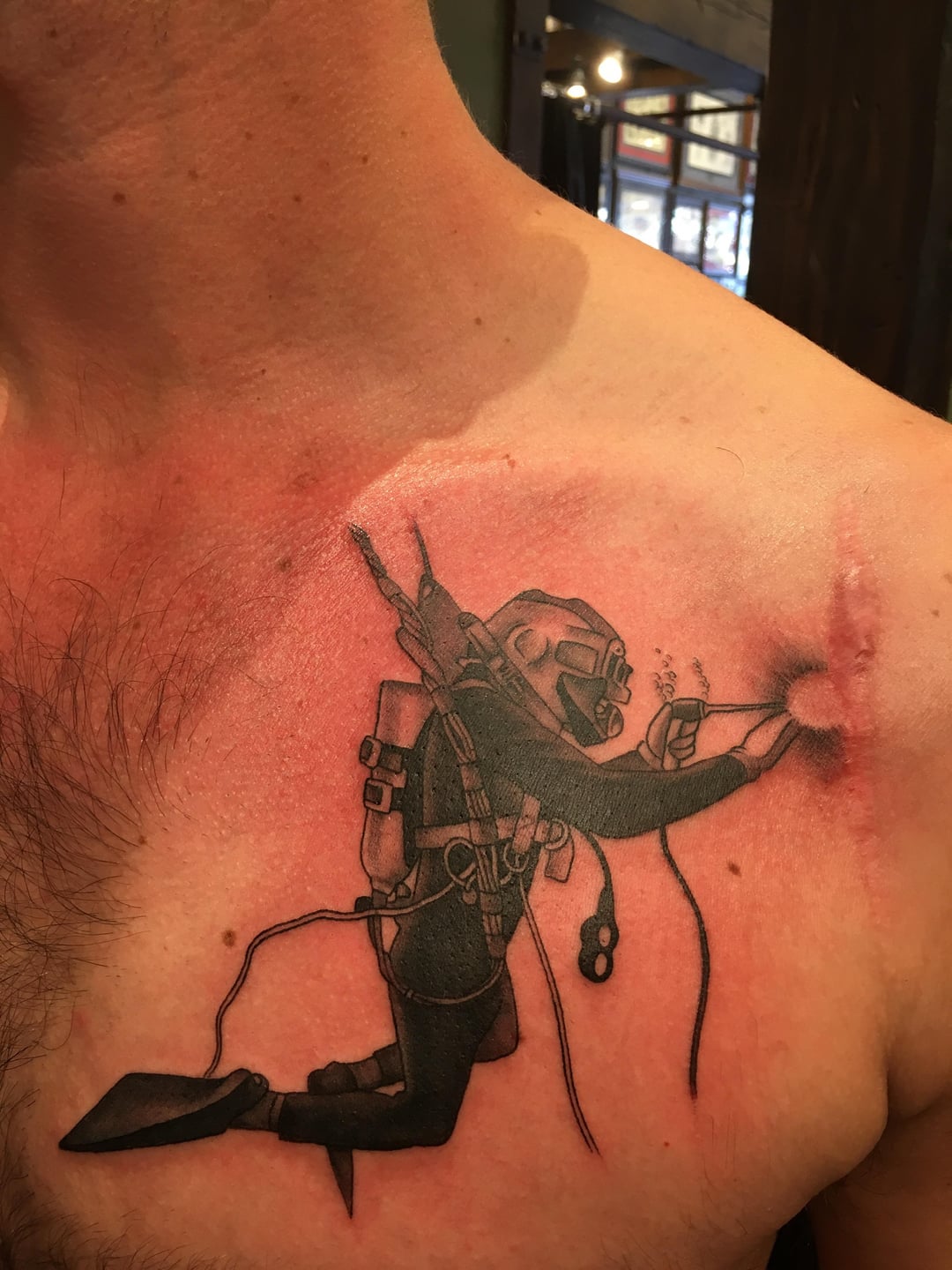
- Burn Scars: Require specialized techniques due to texture variations
- Accident-Related Scars: May need multiple sessions for optimal coverage
- Keloid Scars: Require careful consultation with medical professionals
Psychological Impact of Scar Tattoos
Reclaiming Personal Narrative
Scar tattoos transcend mere aesthetic modification. They represent:
- Emotional healing
- Personal empowerment
- Transforming trauma into art
- Reclaiming body autonomy
The Therapeutic Process
Many individuals report significant psychological benefits from scar tattoos, including:
- Increased self-confidence
- Reduced anxiety about visible scars
- A sense of closure and acceptance
- Creative expression of personal journey





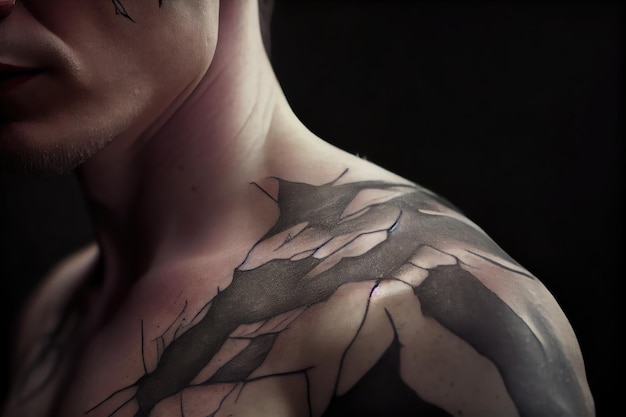
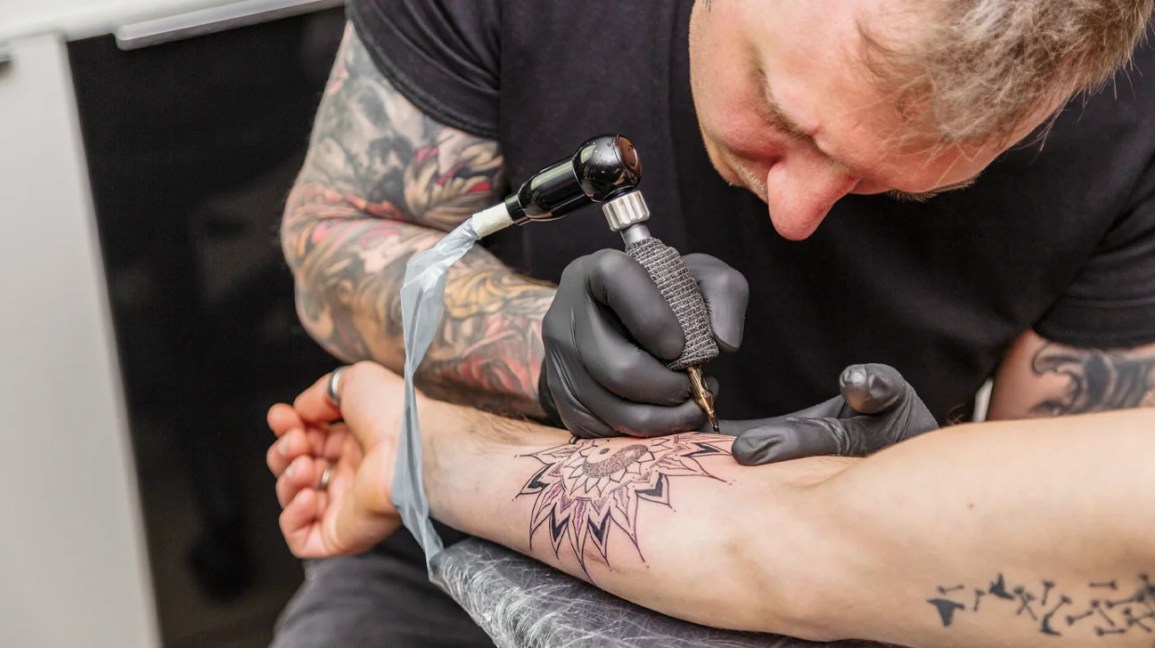
Technical Considerations for Scar Tattoo Artists
Essential Techniques
- Scar Tissue Assessment
- Evaluate scar’s age, texture, and healing status
- Determine appropriate tattoo style and technique
- Consult with client about expectations and potential limitations
- Specialized Tattooing Methods
- Utilize gentler tattooing techniques
- Implement slower needle penetration
- Use specialized ink formulations
- Prioritize client comfort and skin sensitivity
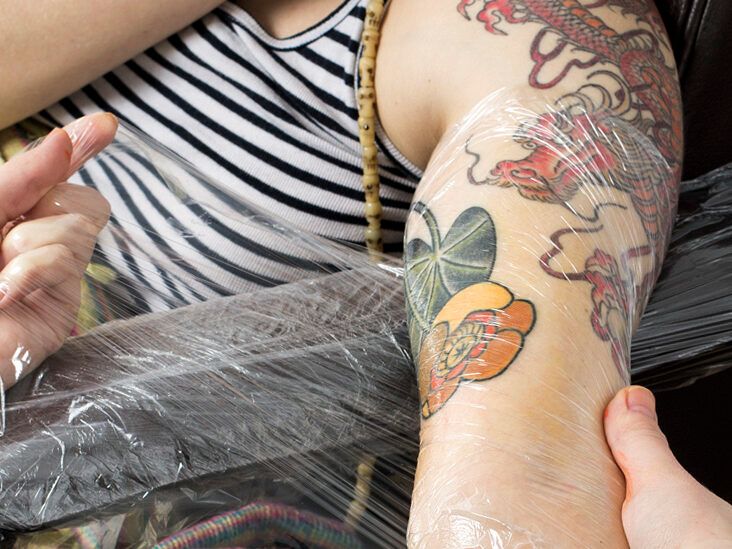
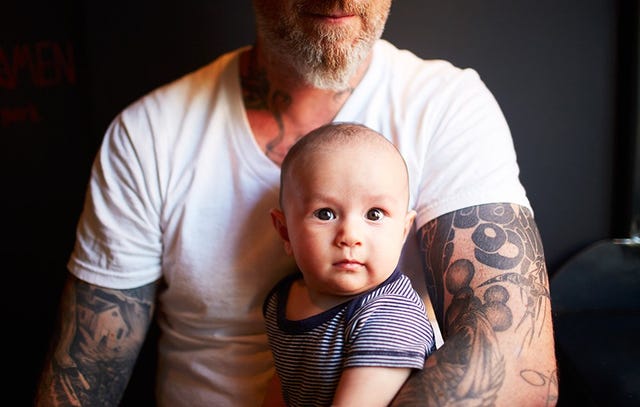
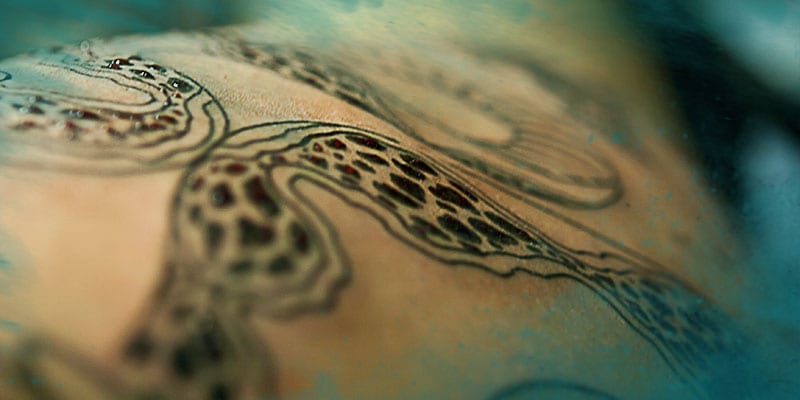


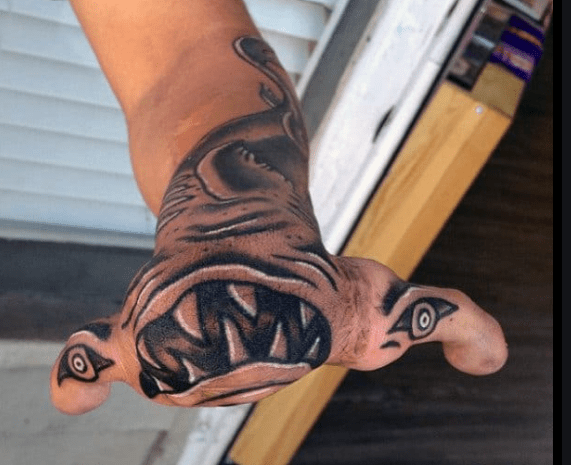
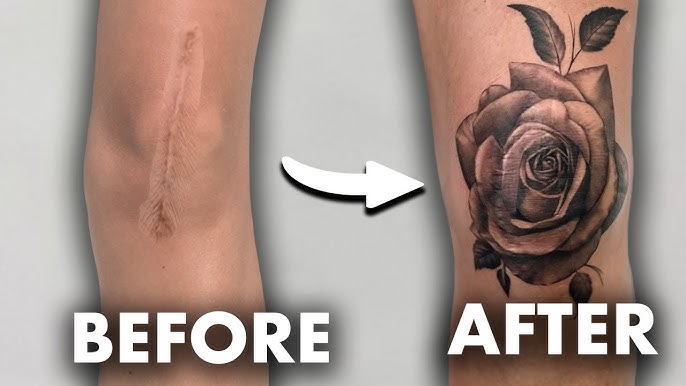
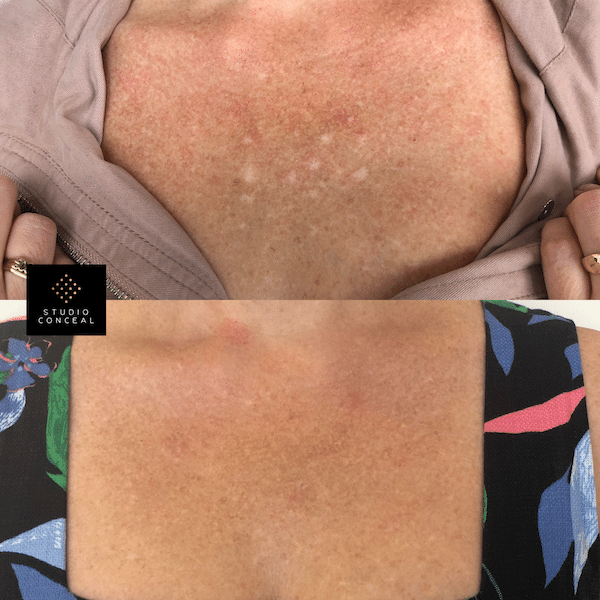

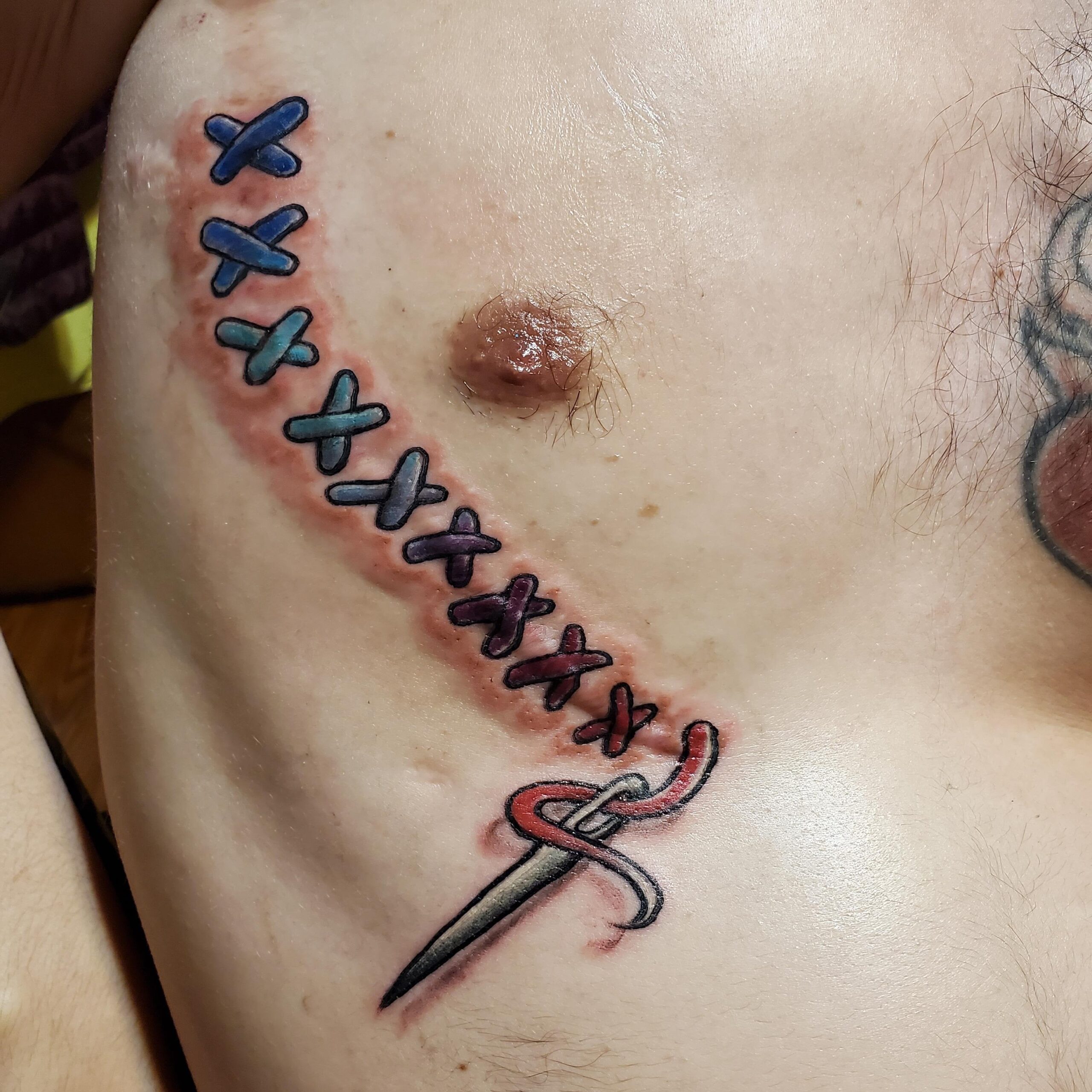
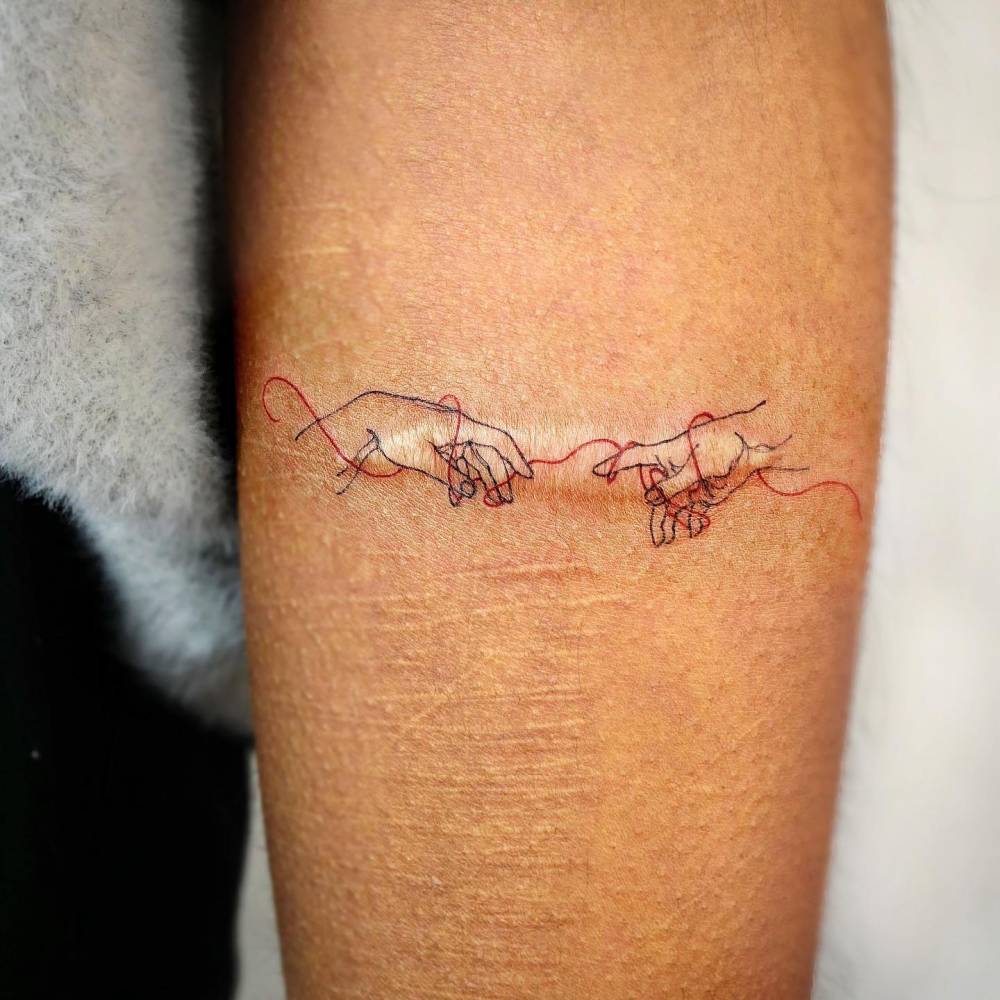

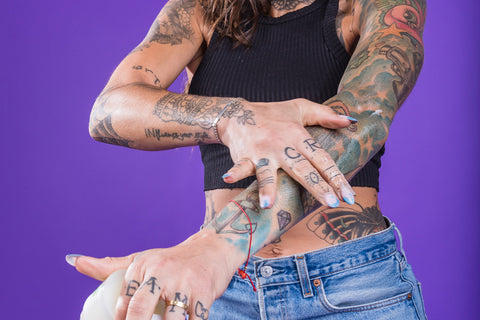
Recommended Tattoo Styles for Scar Coverage
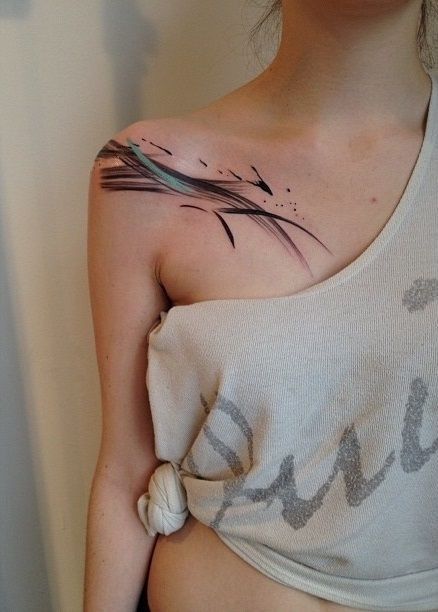
- Watercolor techniques
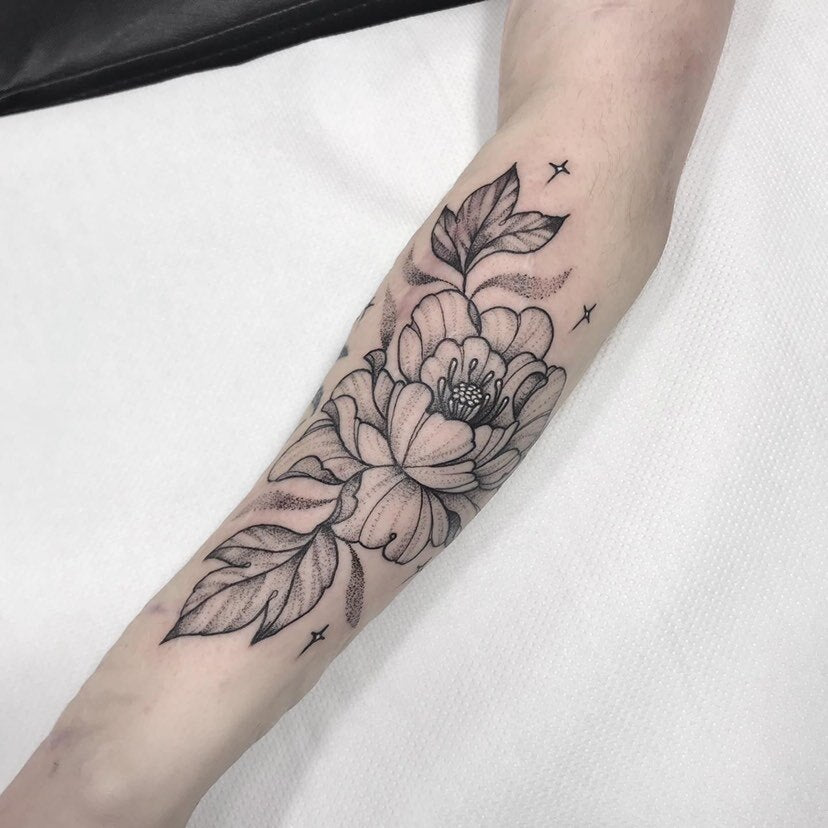
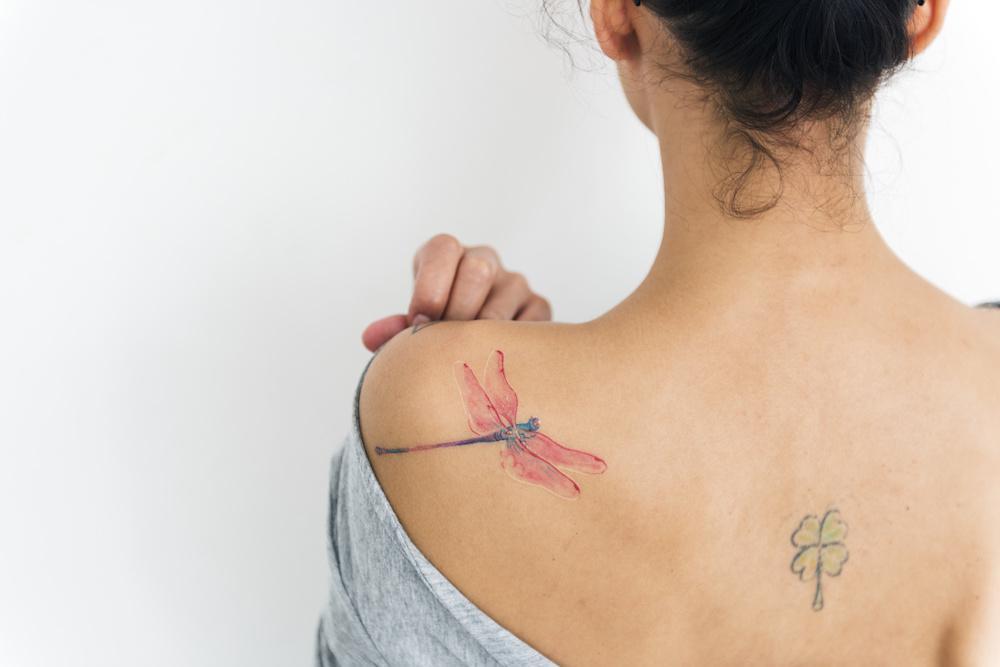
- Illustrative designs with organic flow
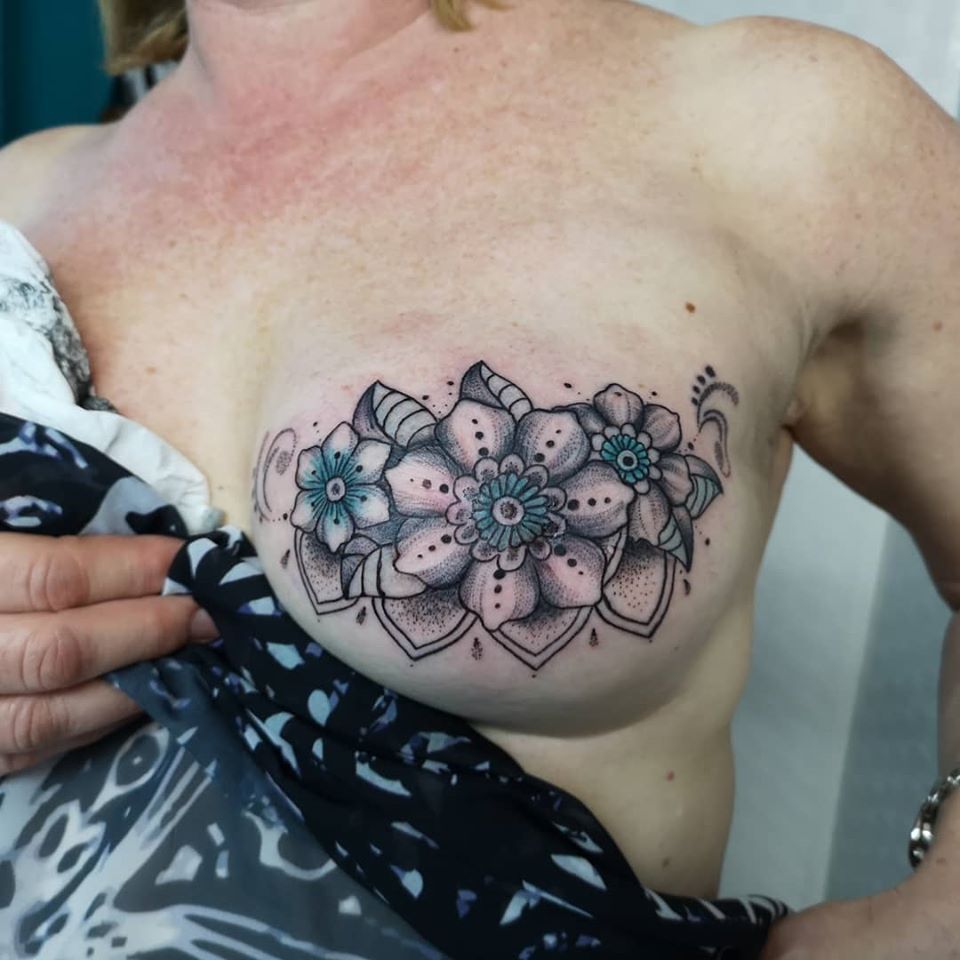
- Mandala and geometric patterns
- Nature-inspired artwork
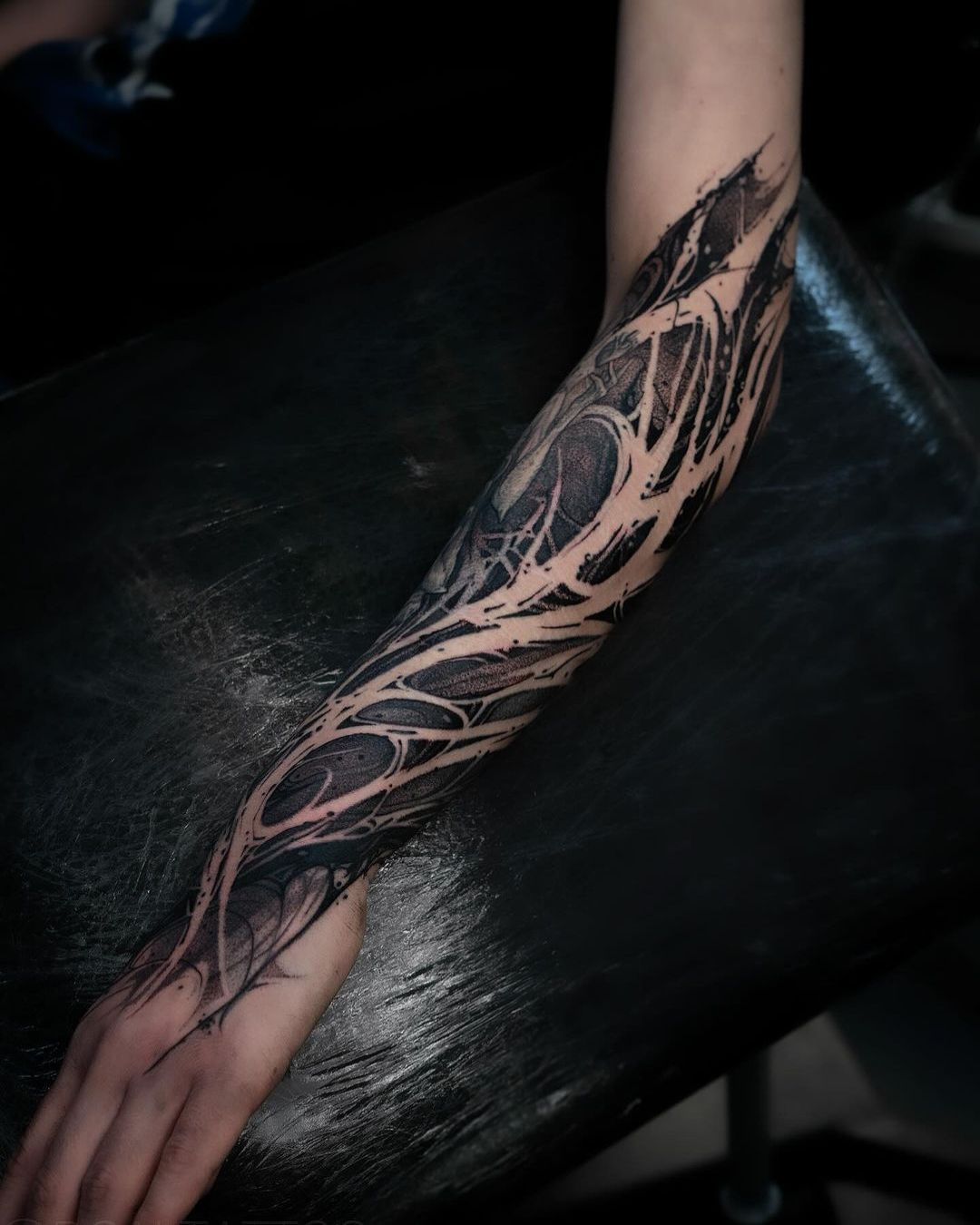
- Abstract compositions
Health and Safety Precautions
Pre-Tattoo Considerations
- Obtain medical clearance
- Wait until scar is fully healed (typically 1-2 years post-injury)
- Conduct patch tests for potential allergic reactions
- Discuss comprehensive aftercare strategy
Post-Tattoo Care
- Follow strict hygiene protocols
- Use recommended healing ointments
- Protect tattooed area from direct sunlight
- Monitor for any potential complications
Choosing the Right Tattoo Artist
Key Selection Criteria
- Portfolio demonstrating scar tattoo experience
- Positive client testimonials
- Understanding of medical considerations
- Empathetic communication style
- Specialized training in scar camouflage techniques
Cost and Expectations
Pricing Factors
- Scar complexity
- Design intricacy
- Number of required sessions
- Artist’s expertise
Average Cost Range
- Simple scar cover: $200-$500
- Complex designs: $500-$2,000
- Multiple session projects: $1,000-$3,000
Conclusion: A Canvas of Resilience
Scar tattoos represent more than artistic expression—they are powerful statements of personal healing, resilience, and transformation. By turning scars into beautiful artwork, individuals can rewrite their stories, reclaim their bodies, and celebrate their unique journeys.
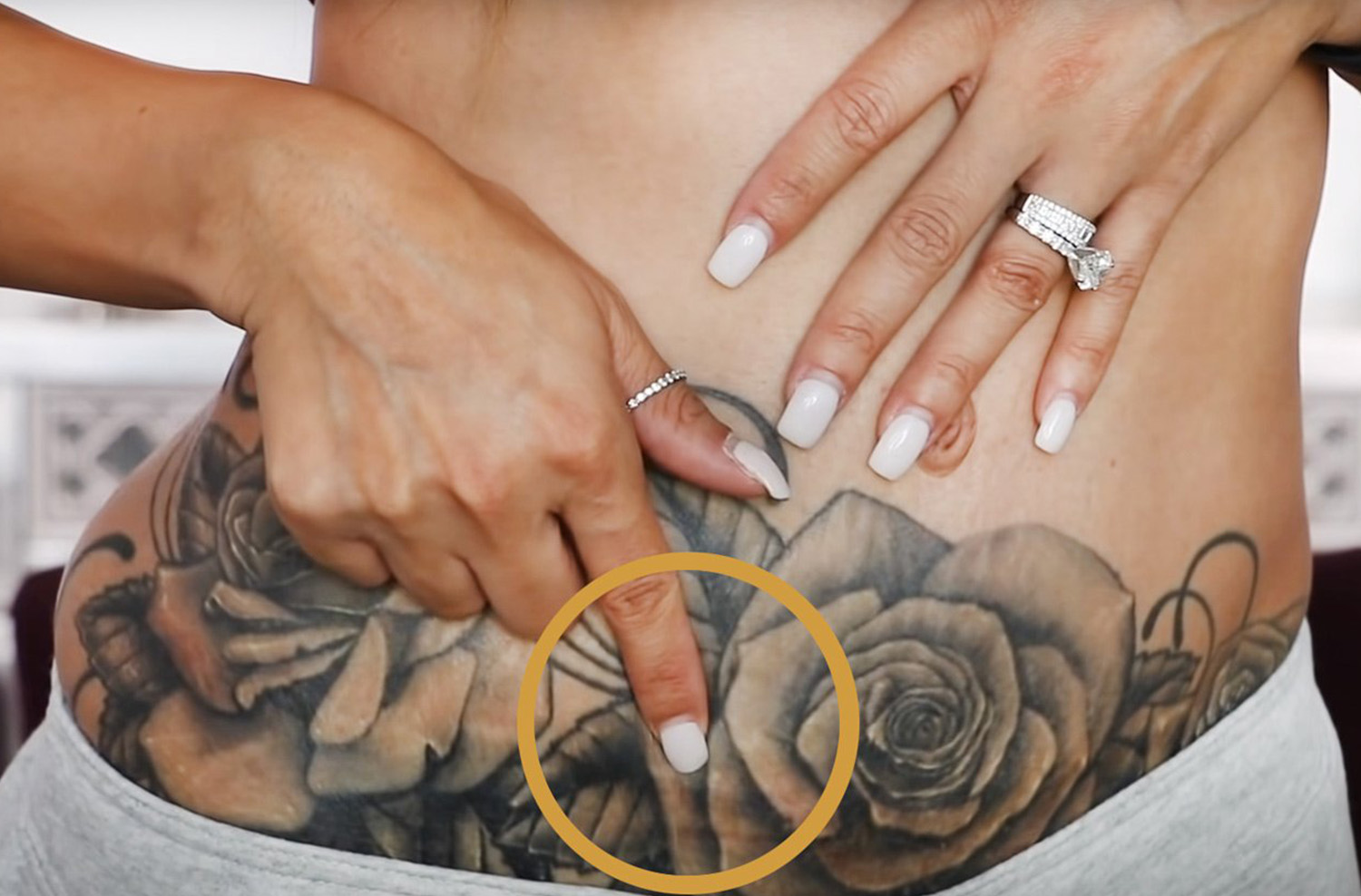
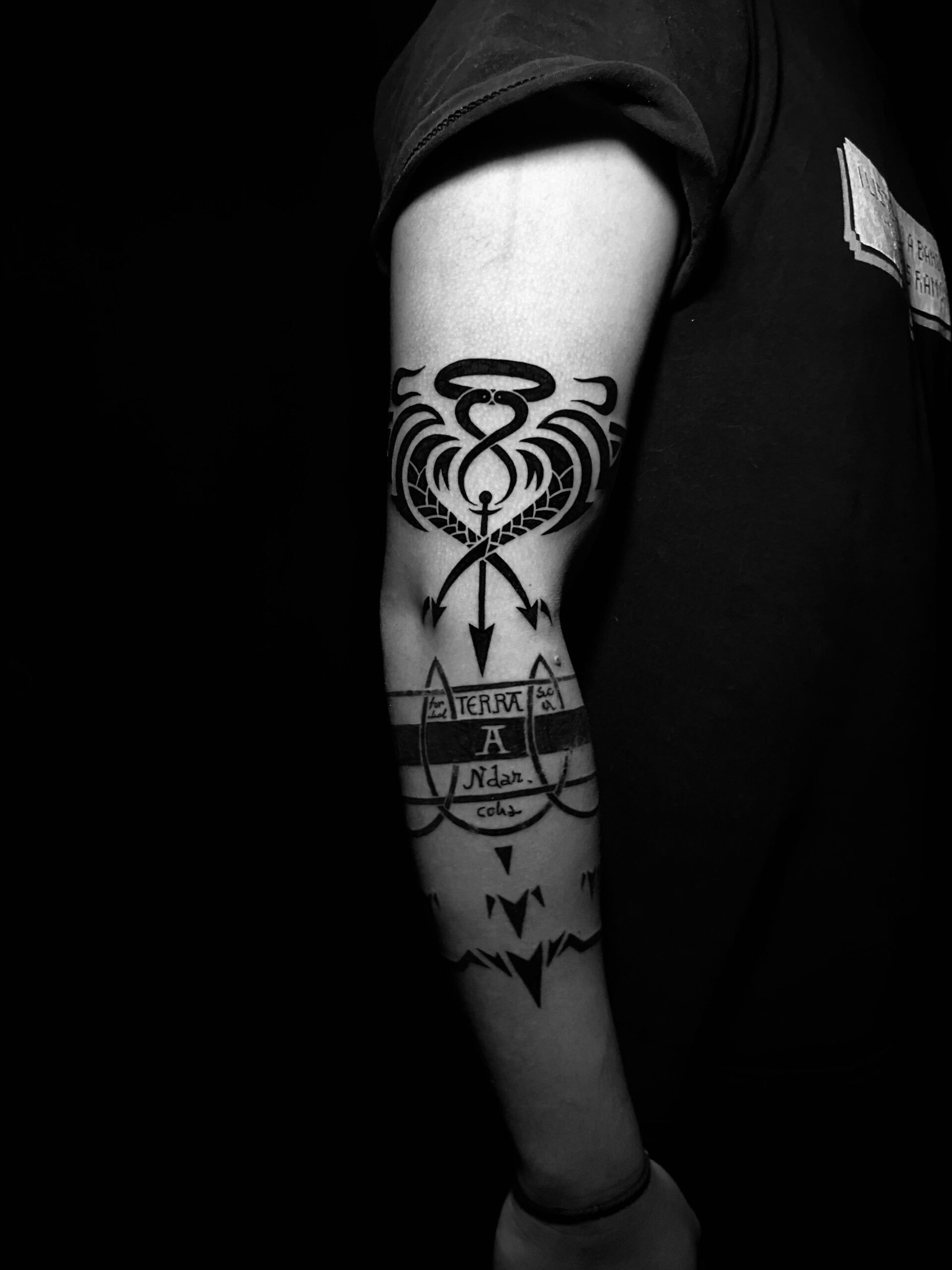




Final Thoughts
Every scar has a story. Every tattoo is an opportunity to transform that story into something beautiful, meaningful, and profoundly personal.