

The armband tattoo has evolved significantly over centuries, transforming from ancient tribal symbols to contemporary artistic expressions. This comprehensive guide explores the distinct characteristics of traditional and modern armband tattoo styles, helping you understand their unique features and cultural significance.
Traditional Armband Tattoos
Tribal Origins
Traditional armband tattoos trace their roots to ancient Polynesian, Maori, and Celtic cultures. These designs weren’t merely decorative; they served as visual representations of identity, social status, and personal achievements. Polynesian warriors, for instance, wore specific patterns that indicated their rank and accomplishments in battle.
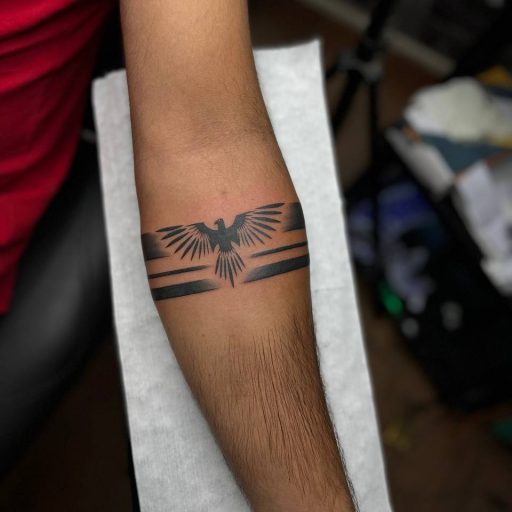

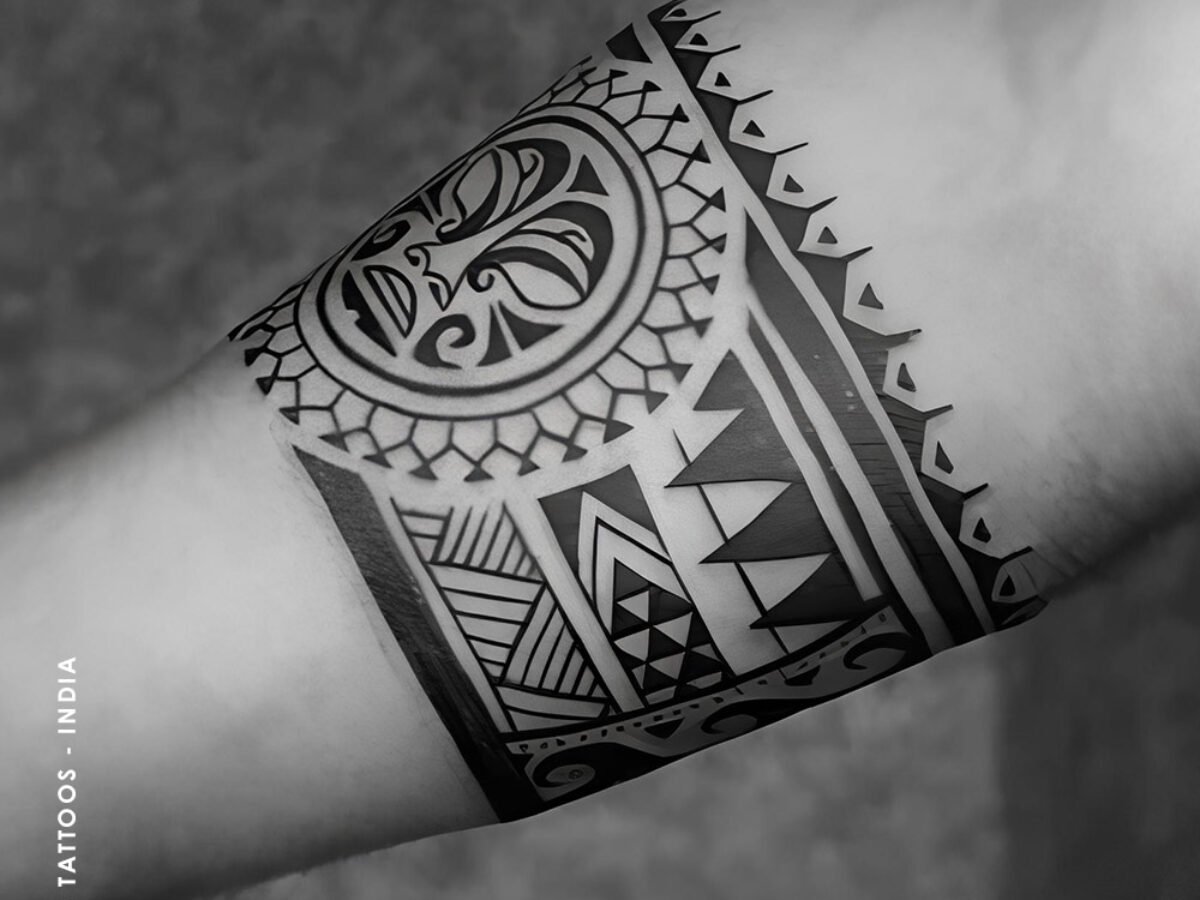

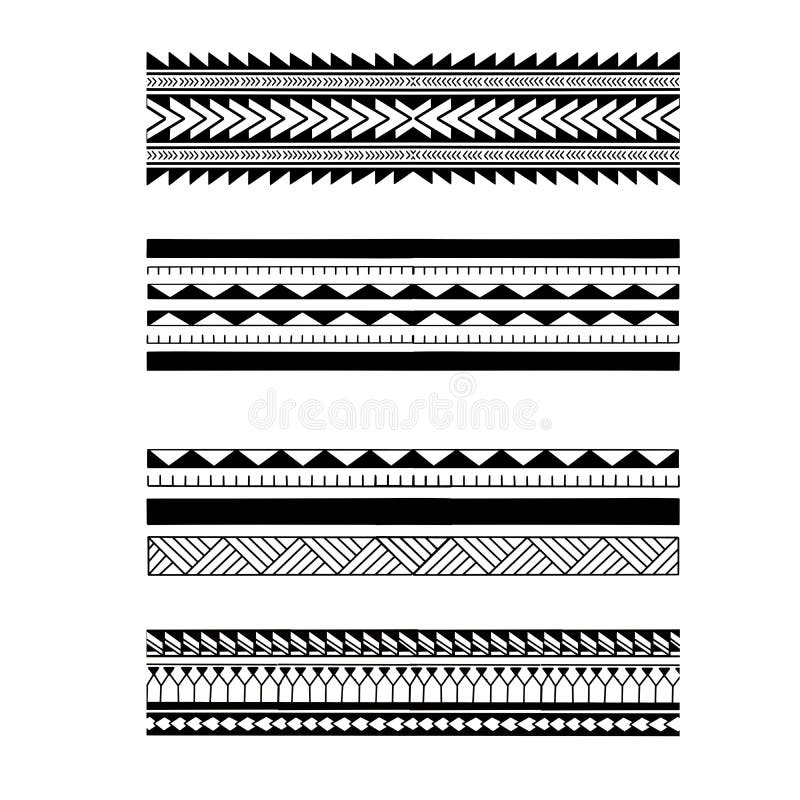

Key Characteristics of Traditional Styles:
Traditional armband tattoos typically feature:
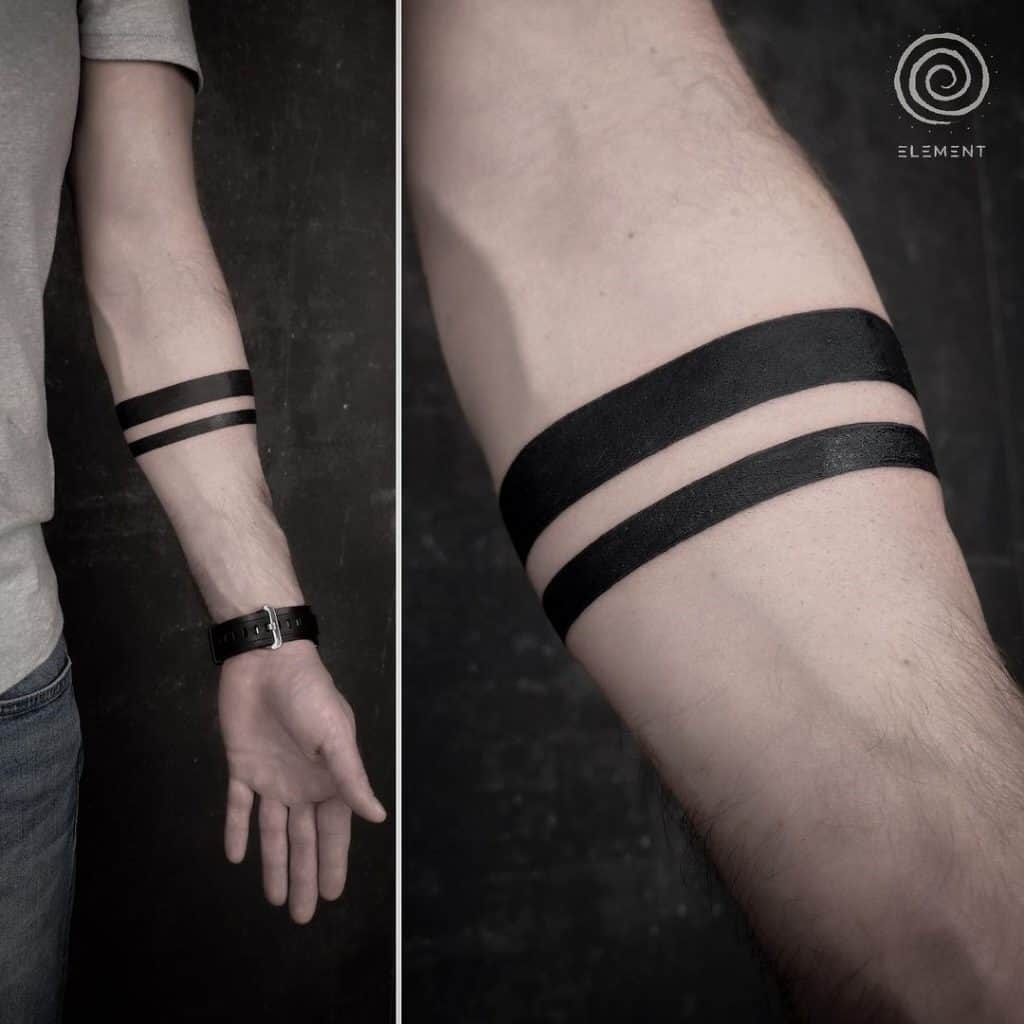
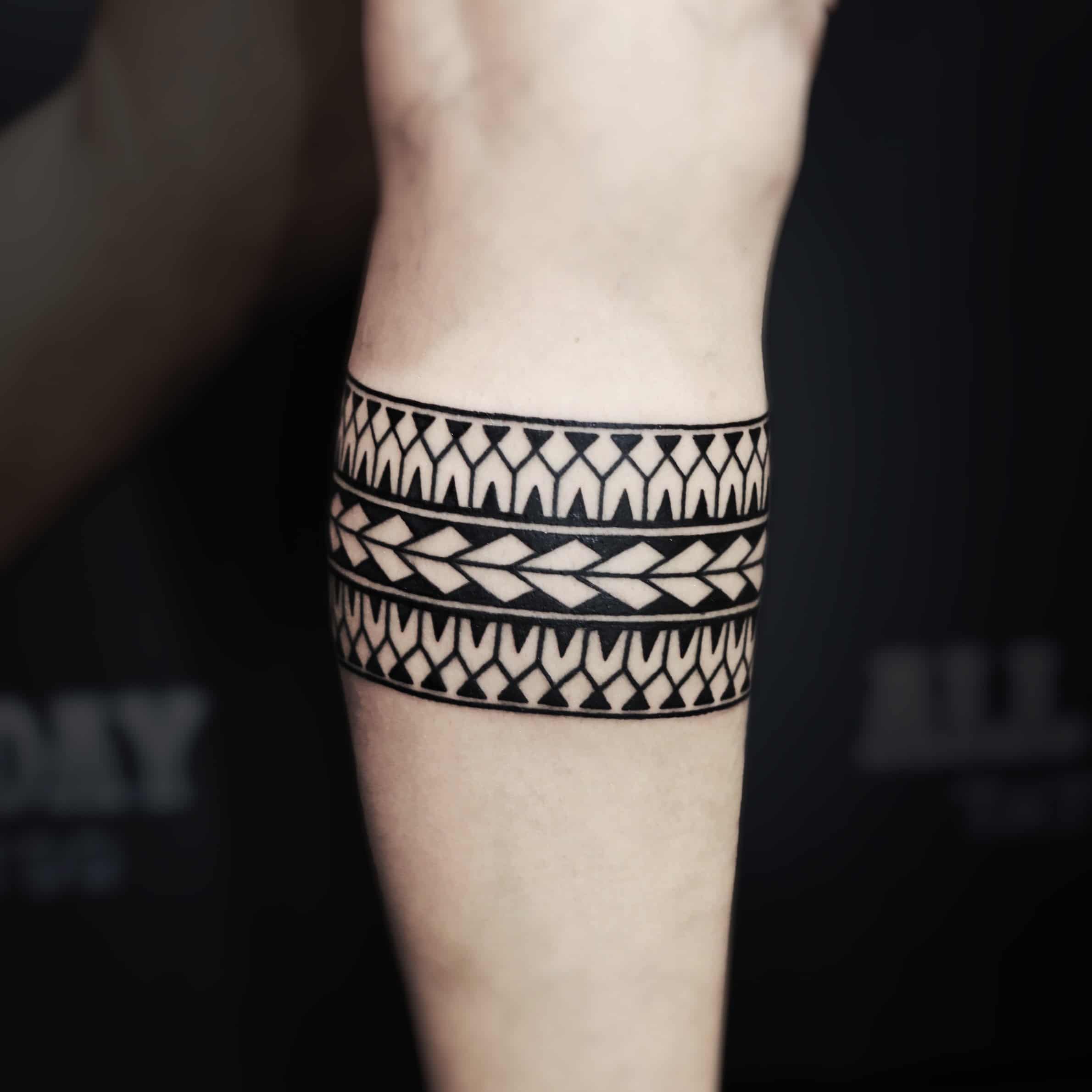
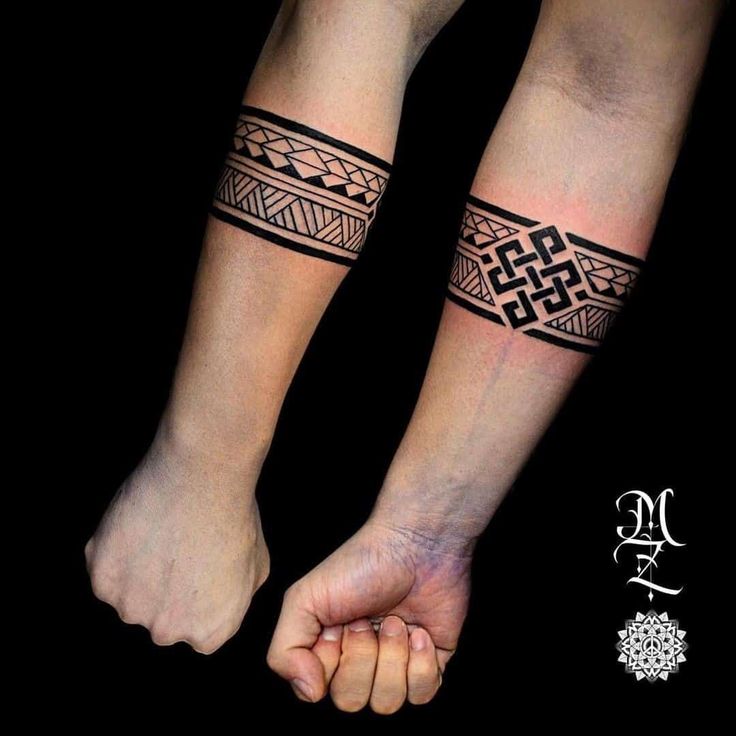
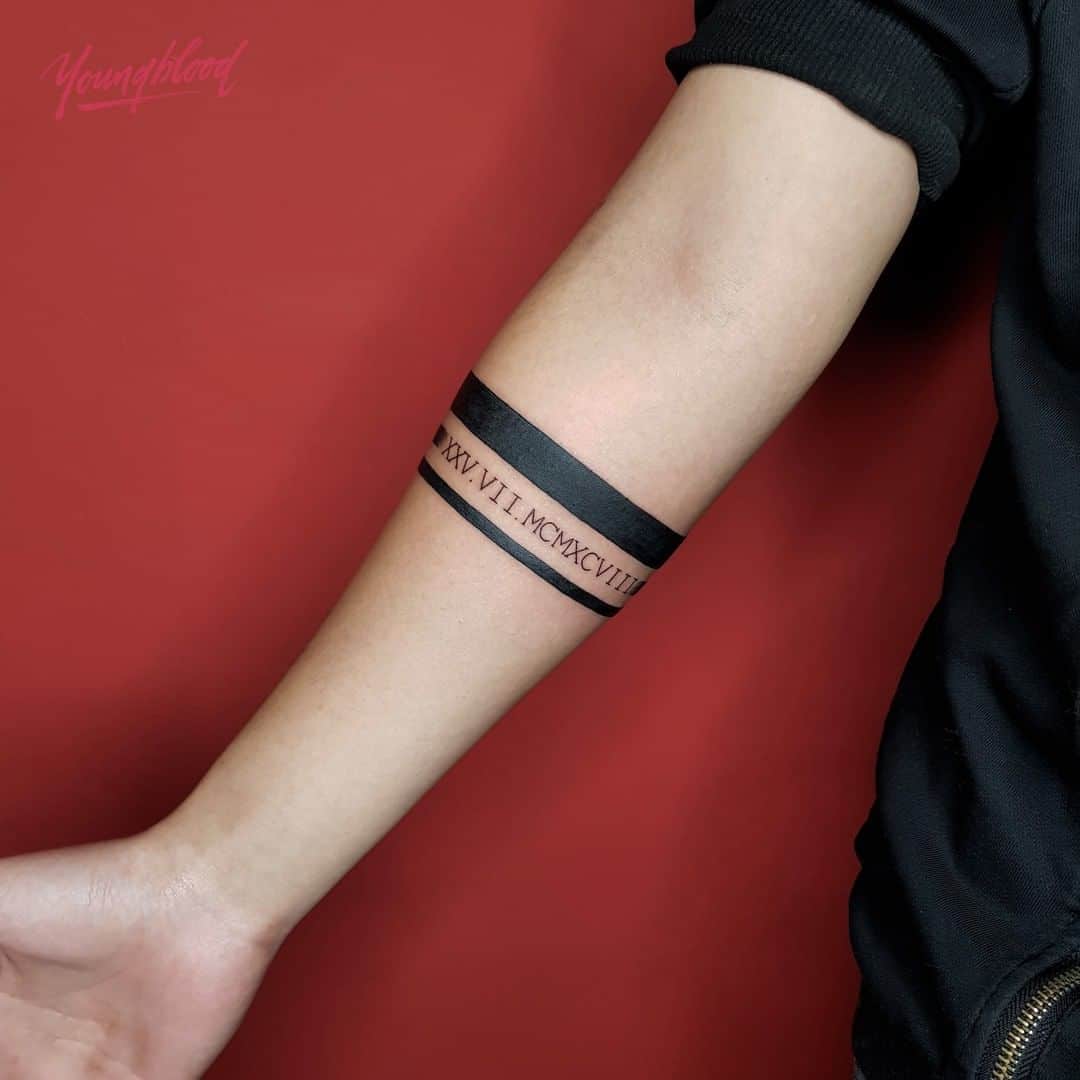
- Bold, solid black designs
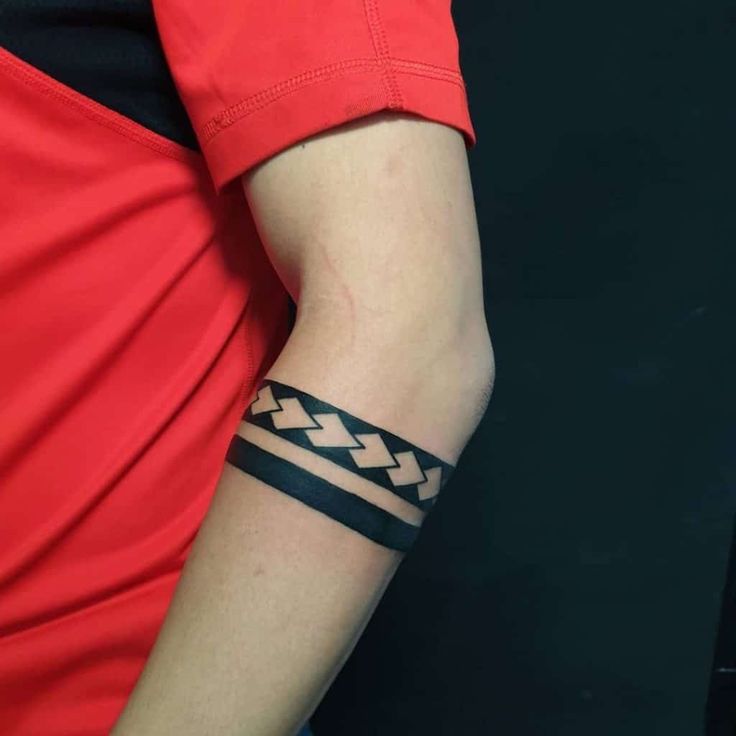
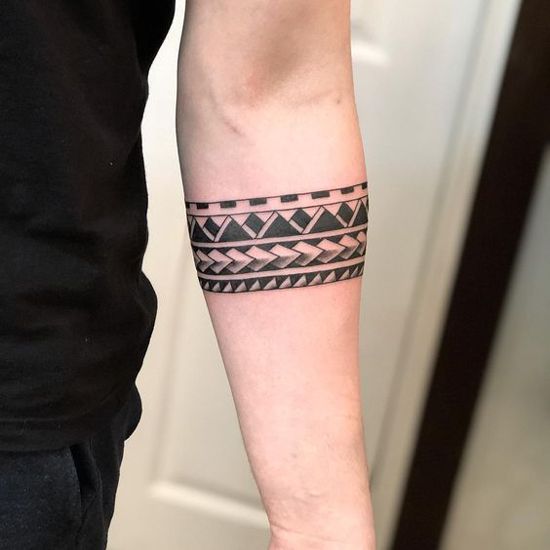
- Geometric patterns and repeating elements
- Cultural symbols and motifs
- Strong emphasis on symmetry
- Natural spacing that follows muscle contours
- Meaningful patterns that tell stories
Cultural Significance
In traditional contexts, each pattern and symbol carried deep meaning. Maori Ta Moko armbands, for example, represented family lineage and personal history, while Celtic bands symbolized eternity and interconnectedness through their intricate knotwork.
Modern Armband Tattoos
Contemporary Evolution
Modern armband tattoos have broken free from traditional constraints, embracing new techniques and artistic possibilities. Today’s designs reflect individual creativity rather than strict cultural guidelines.
Key Features of Modern Styles:
Modern armband tattoos are characterized by:
- Mixed media approaches combining different styles
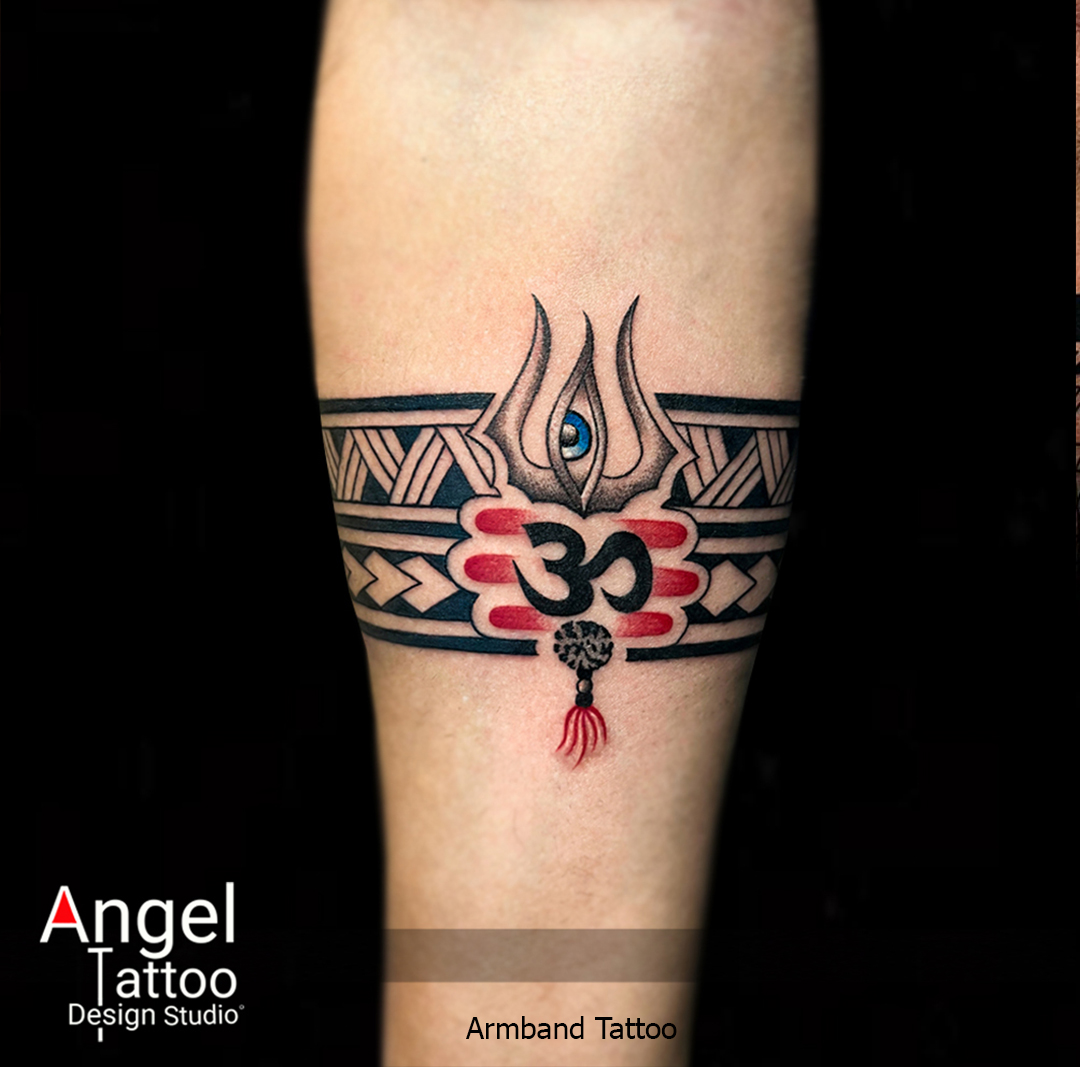
- Use of color and gradients
- Incorporation of realistic elements
- Negative space designs
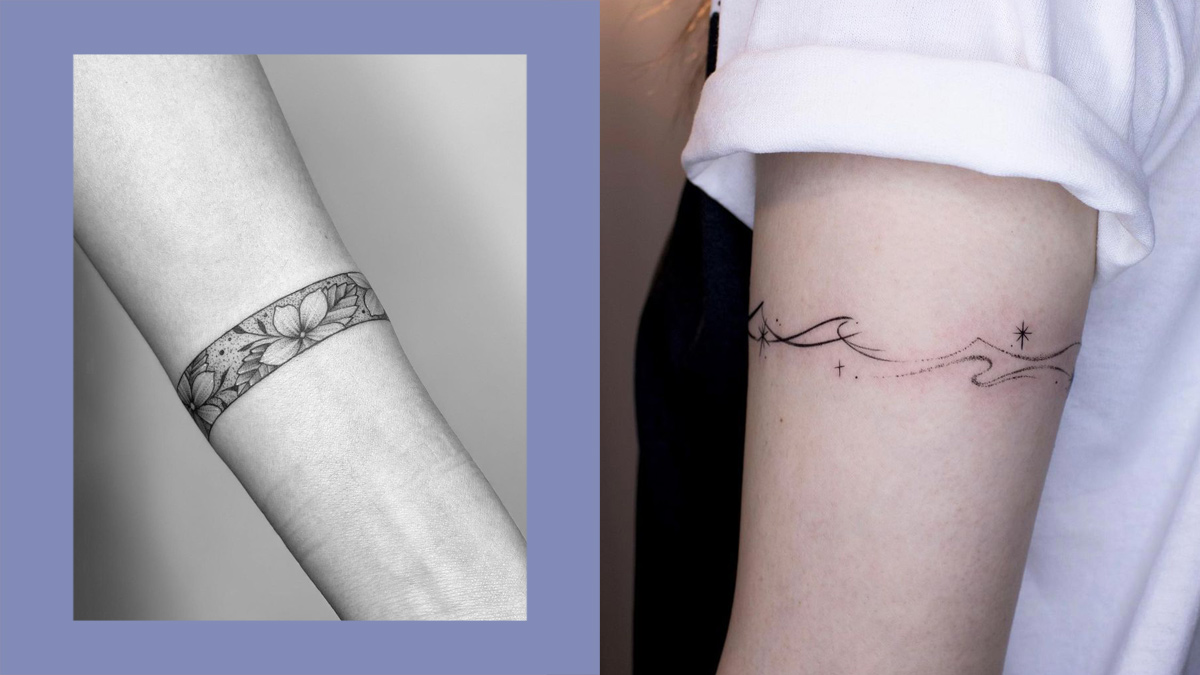
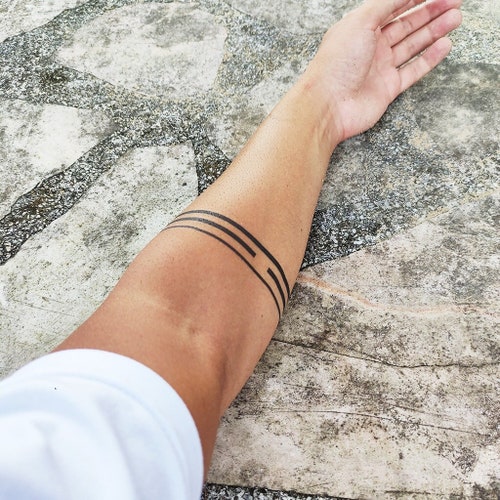
- Broken or incomplete bands
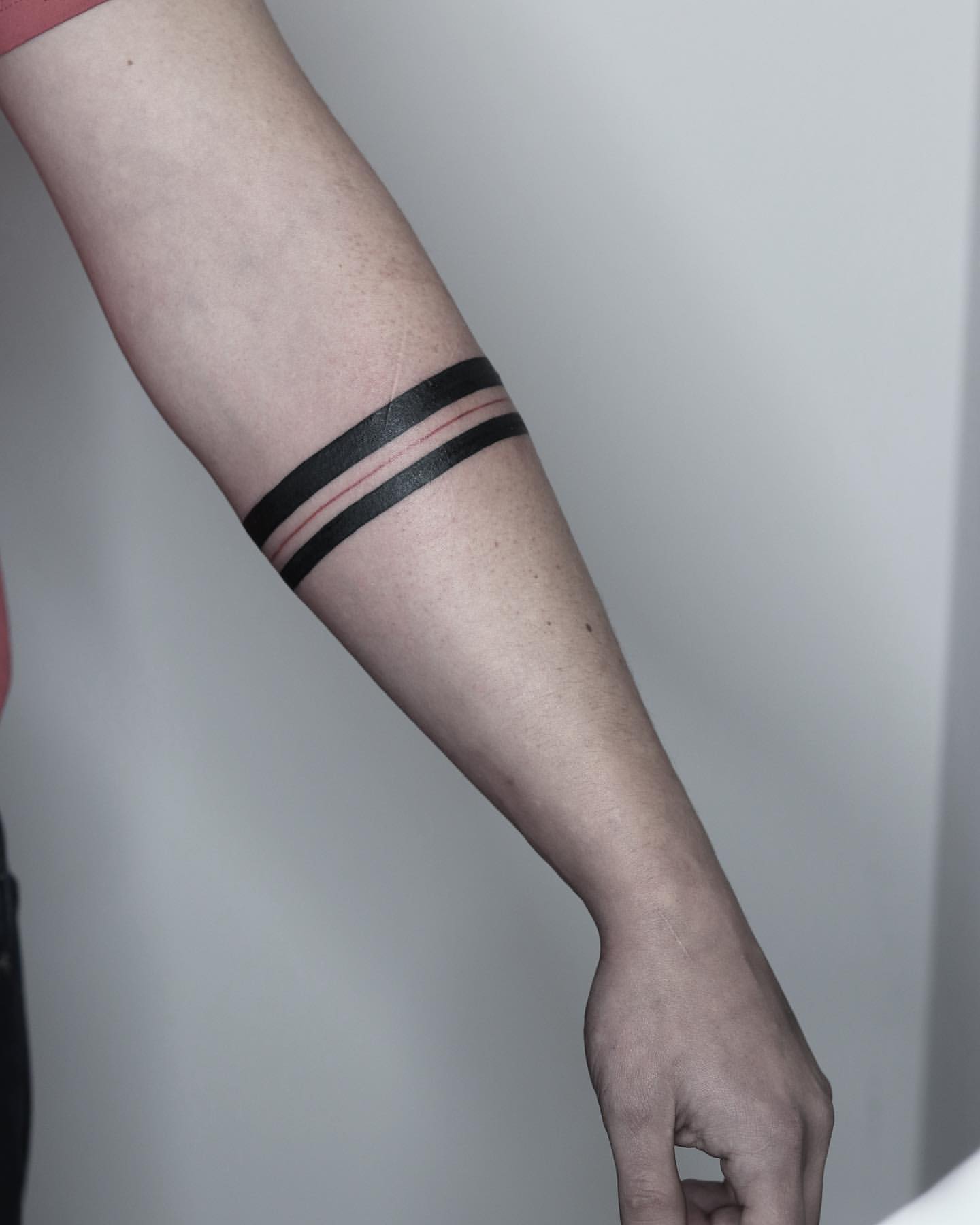
- Abstract and minimalist interpretations
Popular Modern Variations
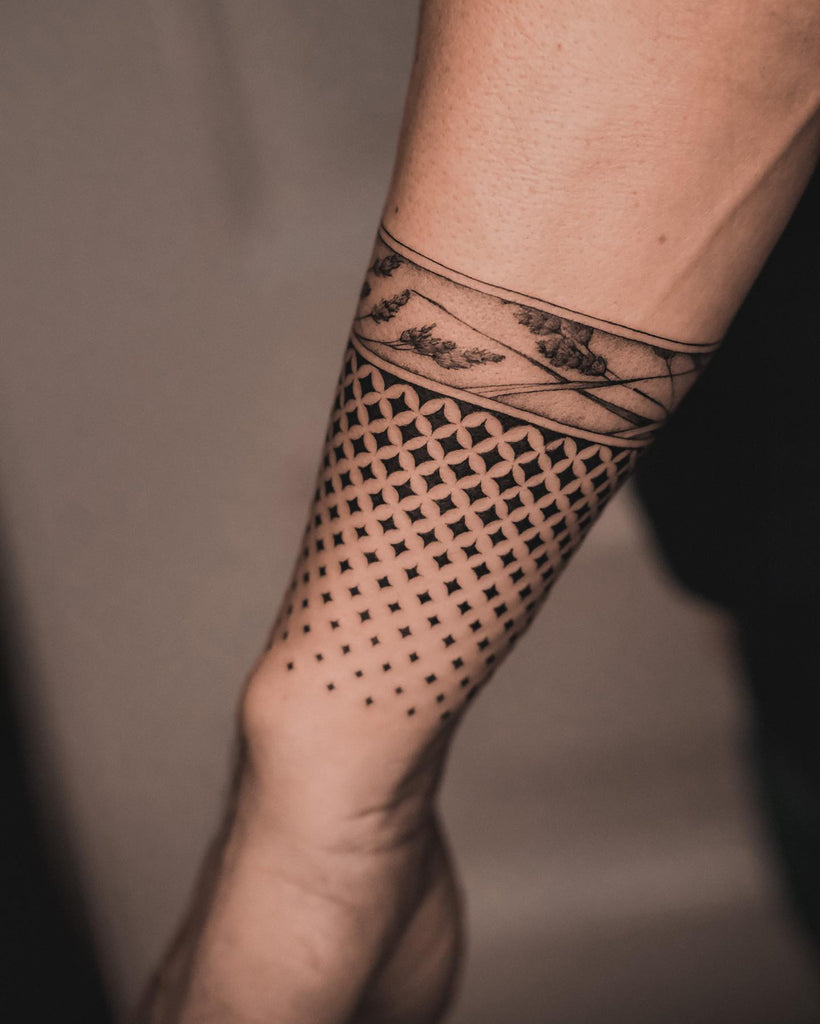
- Watercolor effects with soft edges and color bleeds
- Dotwork and stippling techniques
- Geometric designs with 3D elements
- Nature-inspired bands with florals or landscapes
- Typography-based armbands
- Minimalist single-line designs
Key Differences Between Traditional and Modern Styles
Design Philosophy
Traditional: Emphasis on cultural meaning and symbolism Modern: Focus on personal expression and aesthetic appeal
Technical Execution
Traditional: Precise, symmetrical patterns with clear boundaries Modern: Experimental techniques with varied textures and depths
Color Usage
Traditional: Predominantly black ink with occasional earth tones Modern: Full color spectrum with complex gradients and shading



Symbolism
Traditional: Strict adherence to cultural meanings and patterns Modern: Personal interpretation and individual significance
Choosing Between Traditional and Modern Styles
Consider Your Motivation
- If you’re drawn to cultural significance and history, traditional styles might be more appropriate
- If personal expression and unique design elements are priorities, modern approaches offer more flexibility
Think About Longevity
Traditional designs often age better due to:
- Bold lines that maintain shape over time
- Simple color schemes that resist fading
- Time-tested patterns that remain visually effective
Modern designs may require:
- More frequent touch-ups for complex color work
- Special consideration for placement to prevent design distortion
- Regular maintenance to maintain crisp details


#armbandtattoo #armbandtattoos #armbandtattoodesign #manstattoo #inkedmen #inkedmagazine #bishopfamily #slovakiatetovanie #slovakiatattoo #minimaltattoodesign








Conclusion
Whether you choose a traditional or modern armband tattoo style depends largely on your personal preferences and the meaning you wish to convey. Traditional designs offer time-tested patterns with deep cultural significance, while modern interpretations provide unlimited creative possibilities for personal expression. Understanding these differences helps ensure your chosen design aligns with your intentions and aesthetic preferences.
Remember that many contemporary tattoo artists successfully blend elements from both traditional and modern styles, creating unique hybrid designs that honor cultural heritage while embracing modern artistic techniques. The key is finding an artist who specializes in your preferred style and can help bring your vision to life.