

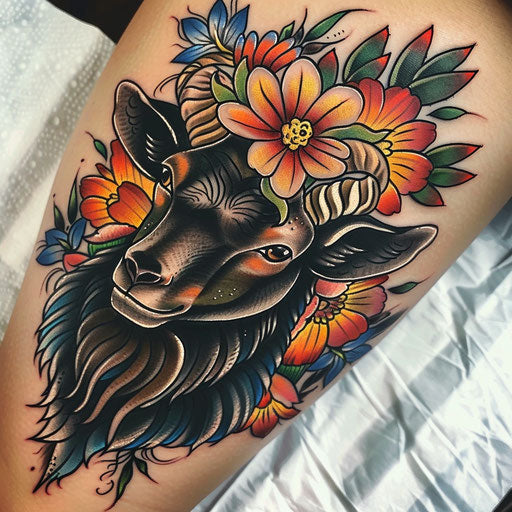
In the world of body art, few designs carry as much depth and personal significance as the black sheep tattoo. Far more than a simple aesthetic choice, this powerful symbol represents individuality, resilience, and the courage to stand out from the crowd. For those who have ever felt different or misunderstood, a black sheep tattoo becomes a profound statement of personal identity and strength.
Why Black Sheep Resonate in Tattoo Culture
The black sheep has long been a metaphorical representation of someone who doesn’t conform to societal expectations. In tattoo art, this imagery transcends mere visual appeal, becoming a deeply personal narrative of self-acceptance and rebellion against traditional norms.
The Symbolic Meanings Behind Black Sheep Tattoos
Cultural and Psychological Significance
- Individuality and Uniqueness The black sheep symbolizes those who deliberately choose to walk a different path. In a world that often pressures conformity, this tattoo celebrates those who embrace their unique qualities and refuse to blend into the background.
- Resilience and Strength Traditionally seen as an outsider, the black sheep represents extraordinary inner strength. Those who choose this tattoo often identify with overcoming challenges and standing firm in their convictions, despite external pressures.
- Family Dynamics and Personal History For many, a black sheep tattoo reflects complex family relationships. It can symbolize healing from past experiences of feeling like an outsider or celebrating one’s distinct identity within a larger family structure.


Popular Black Sheep Tattoo Design Styles
1. Minimalist Black Sheep Designs
Minimalist black sheep tattoos focus on clean lines and simple silhouettes. These designs are perfect for individuals who appreciate subtle yet meaningful body art. Typically rendered in black ink with minimal detail, they emphasize the symbolic power of the image.
Design Characteristics:
- Simple outline of a sheep
- Geometric interpretations
- Single-line art techniques
- Small, discreet placements like wrist, ankle, or behind the ear
2. Watercolor Black Sheep Tattoos
Watercolor techniques bring a vibrant, emotional dimension to black sheep tattoos. These designs incorporate soft, blended colors that create a dreamlike quality, symbolizing the complexity of personal identity.
Watercolor Design Elements:
- Soft color gradients
- Blended ink techniques
- Abstract interpretations
- Larger canvas areas like back, shoulder, or full sleeve
3. Tribal and Cultural Black Sheep Designs
Some tattoo enthusiasts prefer tribal-inspired black sheep designs that connect to cultural heritage or spiritual symbolism. These intricate designs often incorporate traditional patterns and symbolic elements.
Tribal Design Features:
- Intricate pattern work
- Cultural symbolic elements
- Bold black ink
- Complex geometric shapes
Placement Considerations for Black Sheep Tattoos
Strategic Tattoo Placement
- Visible Statements
- Forearm: Bold, unapologetic visibility
- Upper arm: Space for detailed designs
- Shoulder: Symbolic of carrying one’s unique identity
- Personal and Private Placements
- Ribcage: Intimate, personal meaning
- Back: Large canvas for complex designs
- Ankle: Subtle, personal reminder


Choosing the Right Black Sheep Tattoo Artist
What to Look for in a Tattoo Professional
- Portfolio showcasing diverse black sheep design styles
- Experience with symbolic and meaningful tattoo work
- Technical skill in desired tattoo technique
- Understanding of personal symbolism
Aftercare and Maintenance
Preserving Your Black Sheep Tattoo
- Follow professional aftercare instructions
- Use recommended healing ointments
- Protect from direct sunlight
- Schedule touch-ups as needed


Conclusion: More Than Just a Tattoo
A black sheep tattoo is a powerful form of self-expression. It’s a permanent reminder that being different is not a weakness but a profound strength. Whether you’re celebrating personal resilience, family dynamics, or simply your unique journey, this tattoo speaks volumes about individual identity.