

Semi-permanent tattoos have gained popularity as a flexible alternative to traditional tattoos. They offer the appearance of permanent ink without the lifelong commitment, making them an appealing choice for many.
What Are Semi-Permanent Tattoos?
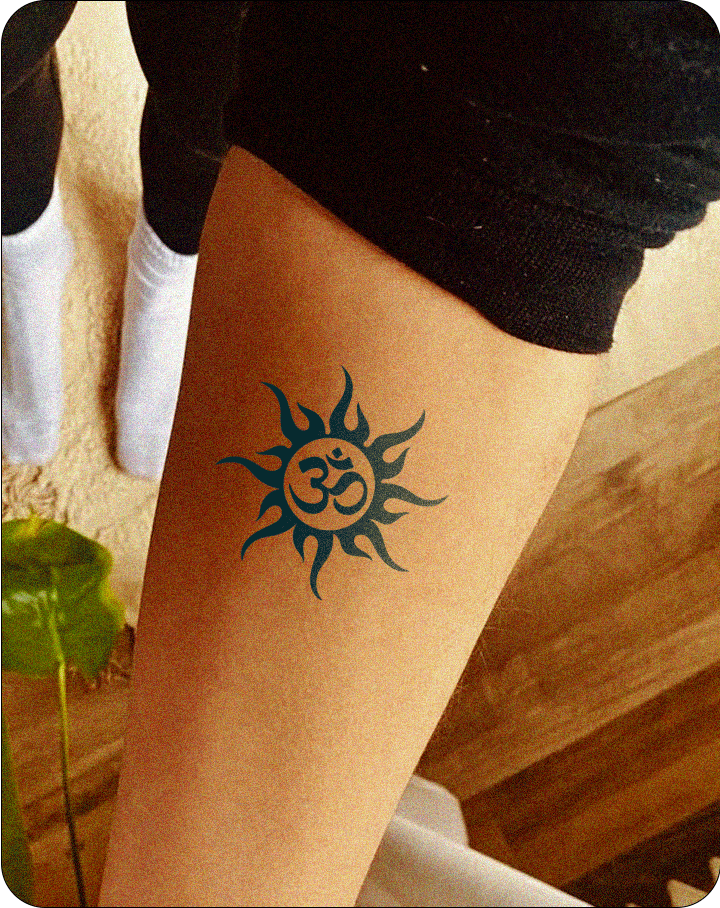
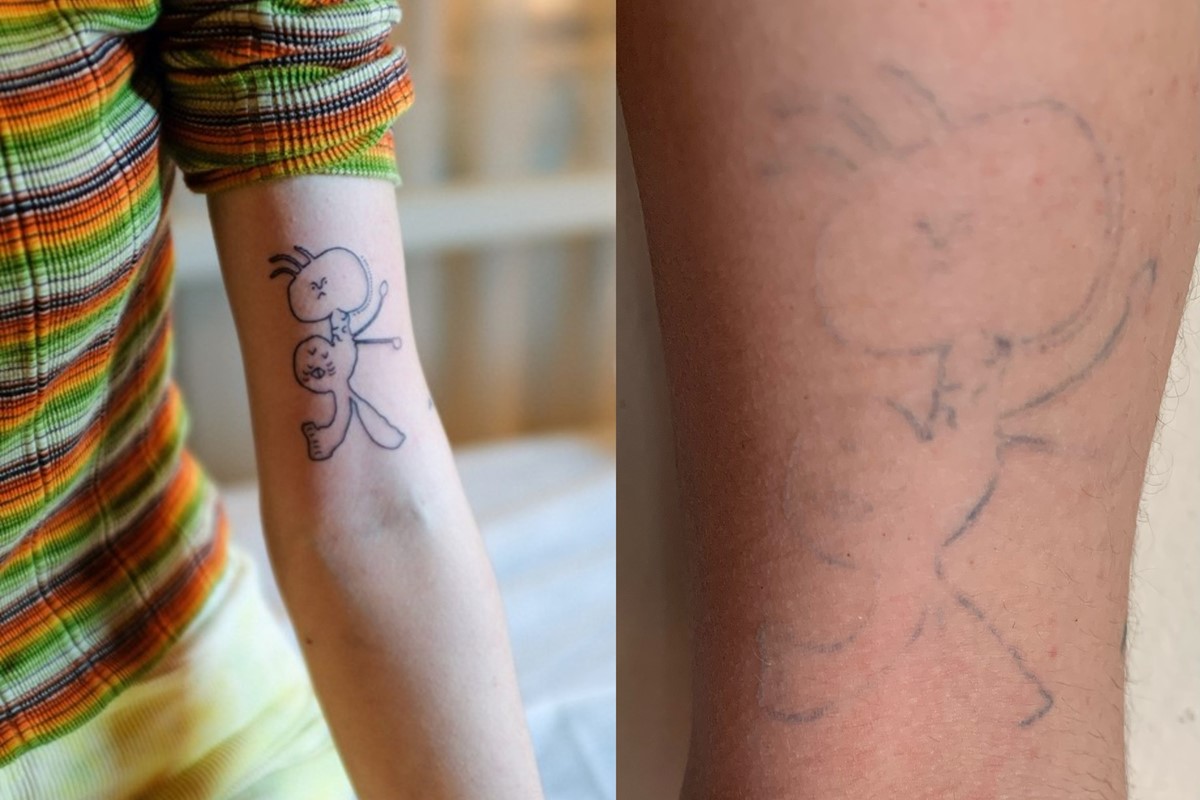
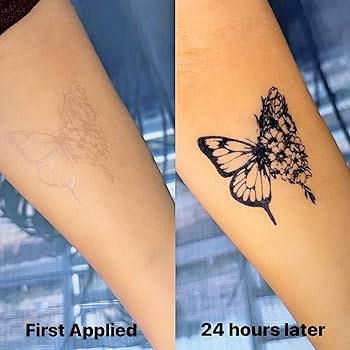
Semi-permanent tattoos are designed to fade over time, typically lasting from several months up to a few years. Unlike traditional tattoos, which use permanent ink injected deep into the skin, semi-permanent tattoos utilize specialized pigments applied more superficially, allowing them to gradually disappear.



Types of Semi-Permanent Tattoos
1. Temporary Tattoos
These are surface-level designs applied using water-transfer methods. They usually last a few days to a week and are easily removable.
2. Henna Tattoos
Henna is a natural dye derived from the Lawsonia inermis plant. When applied to the skin, it stains the outer layer, creating designs that last one to three weeks.
3. Cosmetic Tattoos
Also known as microblading or permanent makeup, these involve implanting pigment into the upper dermis to enhance facial features. They can last from one to three years before fading.




4. Ephemeral Tattoos
Some companies have developed tattoos intended to last about a year, using biodegradable ink that fades as the body breaks it down. However, there have been reports of these tattoos lasting longer than advertised.
Application Process
The application process varies depending on the type of semi-permanent tattoo:
- Temporary Tattoos: Applied by pressing a pre-designed image onto the skin and dampening it with water.
- Henna Tattoos: Created by applying a paste made from henna powder to the skin in intricate patterns and allowing it to dry.
- Cosmetic Tattoos: Involve using a fine needle to deposit pigment into the skin, similar to traditional tattooing but at a shallower depth.
- Ephemeral Tattoos: Applied like traditional tattoos but with ink designed to fade over time.
Benefits of Semi-Permanent Tattoos
- Flexibility: Allows individuals to experiment with designs without a lifelong commitment.
- Less Painful: Generally less invasive than traditional tattoos, often resulting in less discomfort.
- Lower Risk: Reduced risk of long-term regret as the design fades over time.
- Cosmetic Enhancement: Useful for enhancing features like eyebrows or lips without permanent alteration.
Considerations and Risks
While semi-permanent tattoos offer many advantages, it’s important to consider potential risks:
- Allergic Reactions: Some individuals may experience reactions to the pigments used.
- Inconsistent Fading: Tattoos may not fade evenly, leading to patchy appearances.
- Scarring: Improper application can result in scarring or skin damage.
- Misleading Claims: Some products marketed as semi-permanent may last longer than expected, leading to dissatisfaction.





Conclusion
Semi-permanent tattoos provide a versatile option for those looking to explore body art without the permanence of traditional tattoos. By understanding the types, application processes, benefits, and potential risks, individuals can make informed decisions that align with their personal preferences and lifestyles.